Managing IBS (Irritable Bowel Syndrome): Diet, Lifestyle, and Medical Care
- Home
- Managing IBS (Irritable Bowel Syndrome): Diet, Lifestyle, and Medical Care
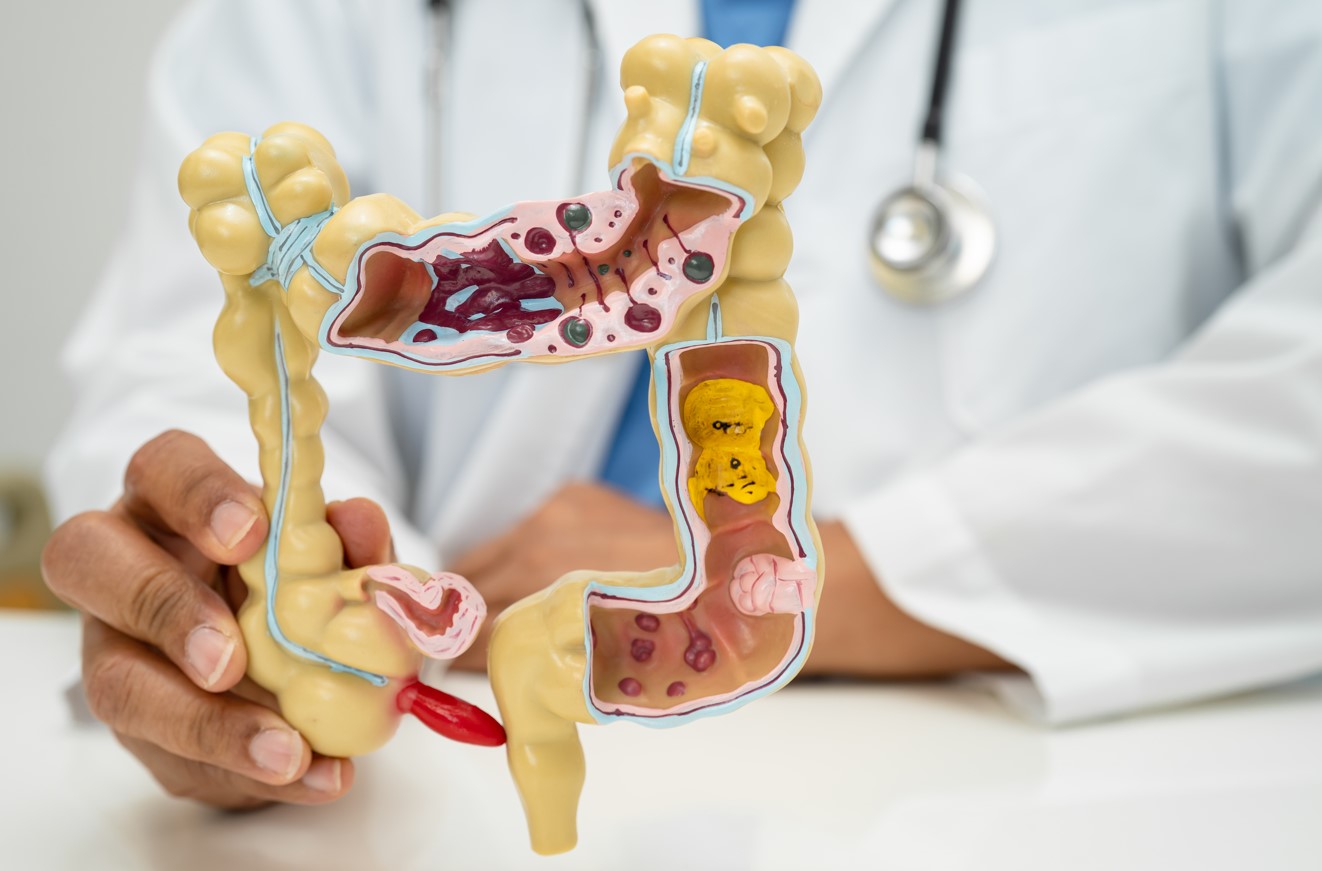
Managing IBS (Irritable Bowel Syndrome): Diet, Lifestyle, and Medical Care
By Dr. Johny Cyriac, Chief of Gastroenterology & Hepatology
Irritable Bowel Syndrome (IBS) is one of the most common digestive conditions I see at Central Gastro (https://centralgastro.com/). It affects millions worldwide, yet many patients suffer silently, dismissing symptoms as “normal stomach issues.” Left unmanaged, IBS can significantly impact daily life, causing discomfort, anxiety, and dietary restrictions. The good news is that with the right approach, IBS can be controlled effectively.
What is IBS?
IBS is a functional disorder of the intestine, meaning that the gut looks normal but does not function properly. It is often triggered by stress, diet, hormonal changes, or an imbalance in gut bacteria. Unlike inflammatory bowel disease (IBD), IBS does not cause permanent damage to the digestive tract, but it can greatly affect quality of life.
Common Symptoms of IBS
Patients at our gastroenterology clinic in Kerala often report a mix of the following:
If you have these symptoms for several weeks, it’s important to consult a GI specialist in Kerala for proper evaluation.
Lifestyle and Diet Tips for Managing IBS
At Central Gastro Cochin (https://centralgastro.com/), we tailor IBS management to each patient, but there are universal strategies that often help:
Medical Care for IBS
While lifestyle changes are important, sometimes medication is necessary. Depending on the type of IBS, treatment may include antispasmodics for cramping, laxatives for constipation, or targeted therapies for diarrhea. At Central Gastro (https://centralgastro.com/), we use a combination of diagnostic tools and personalized treatment plans to ensure patients find relief and regain control of their lives.