

Get a Trusted Second Opinion from Dr. Johny Cyriac . Learn More
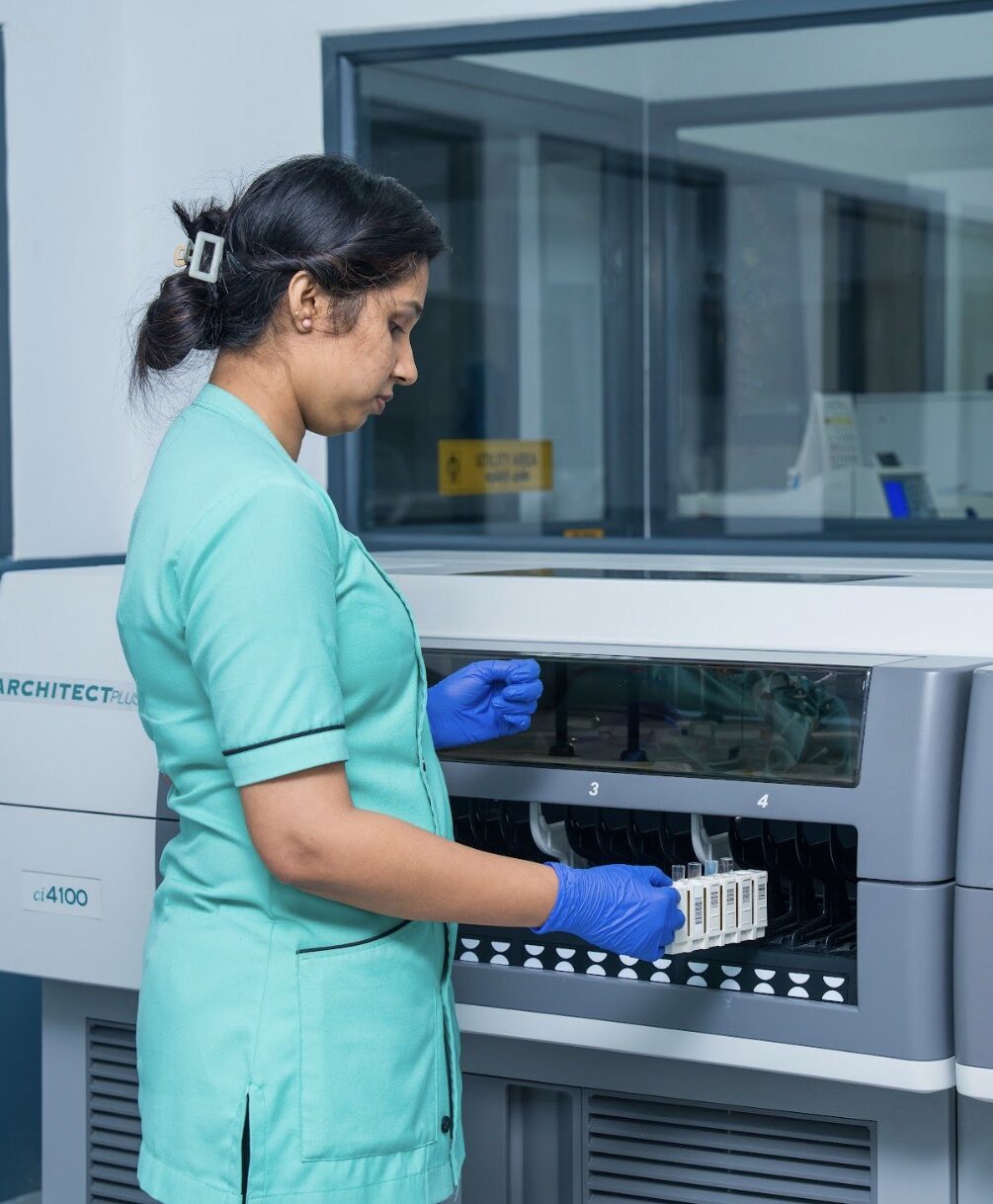
At Central Gastro, our advanced, fully equipped laboratory plays a vital role in the diagnosis, monitoring, and ongoing management of gastrointestinal (GI), liver, pancreatic, biliary, and metabolic disorders. We combine cutting-edge technology with stringent quality standards to deliver highly accurate and reliable results.
From routine blood investigations to specialized diagnostic markers, every test is processed with precision and efficiency to ensure timely reporting. Our laboratory team works closely with clinicians to provide insights that support early detection, effective treatment planning, and personalized patient care.
LFTs are a core group of blood tests used to evaluate liver health by measuring specific enzymes, proteins, and bilirubin levels. They help detect inflammation, liver injury, bile flow problems, and are essential for monitoring chronic liver diseases and treatment response.
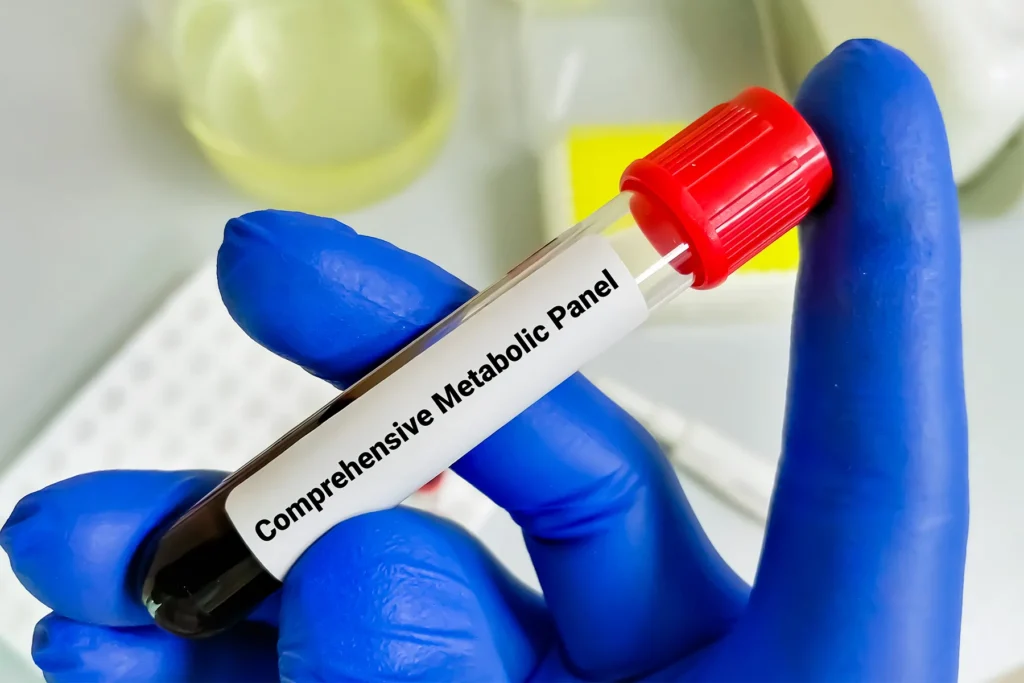
A Comprehensive Metabolic Panel (CMP) is an extensive blood test that evaluates overall metabolic health by measuring liver enzymes, kidney function markers, electrolytes, blood glucose, and essential proteins. It provides a broad overview of organ function and is particularly valuable in assessing liver disease, diabetes, and systemic conditions.
Given the strong link between metabolic syndrome and liver diseases such as MASLD, our lab includes key metabolic assessments:
Measures blood sugar control and screens for prediabetes and diabetes, key components of metabolic syndrome
Includes total cholesterol, LDL, HDL, triglycerides—critical markers for cardiovascular risk and metabolic syndrome evaluation. Elevated triglycerides and low HDL are characteristic features
Additional tests for metabolic risk evaluation may include:
Detects hidden blood in the stool, a key screening tool in colorectal cancer prevention.(Marshall County Health Department)
Detects bacterial, viral, and parasitic infections causing diarrhea and abdominal symptoms.(Marshall County Health Department)
Evaluates fat content, inflammation (e.g., fecal calprotectin), and pancreatic function markers like elastase—important for malabsorption and IBD assessment.(Marshall County Health Department)
Uses lab values including bilirubin, INR, creatinine, and sodium to assess severity and prognosis in advanced liver disease
Comprehensive serology for Hepatitis A, B, C, and others, critical for diagnosis and treatment planning of liver infections.(NHLBI, NIH)
Include ANA, AMA, SMA, LKM, and immunoglobulin levels—used to diagnose autoimmune liver conditions like autoimmune hepatitis and primary biliary cholangitis.(NHLBI, NIH)
Used when hereditary conditions (e.g., hemochromatosis, Wilson’s disease) are suspected or for complicated cases of early-onset GI disease.
Blood levels of enzymes such as amylase and lipase help detect pancreatitis and other pancreatic disorders.(Marshall County Health Department)
Assess pancreatic exocrine function using markers like pancreatic elastase to diagnose insufficiency and guide enzyme replacement therapy.
✔ Integrated testing that supports diagnosis, monitoring, and treatment planning
✔ Tests tailored to GI, liver, pancreatic, and metabolic syndromes
✔ Coordination with imaging and endoscopic findings for comprehensive care