Central Gastro

Get a Trusted Second Opinion from Dr. Johny Cyriac  .   Learn More

Understanding GI Disorders

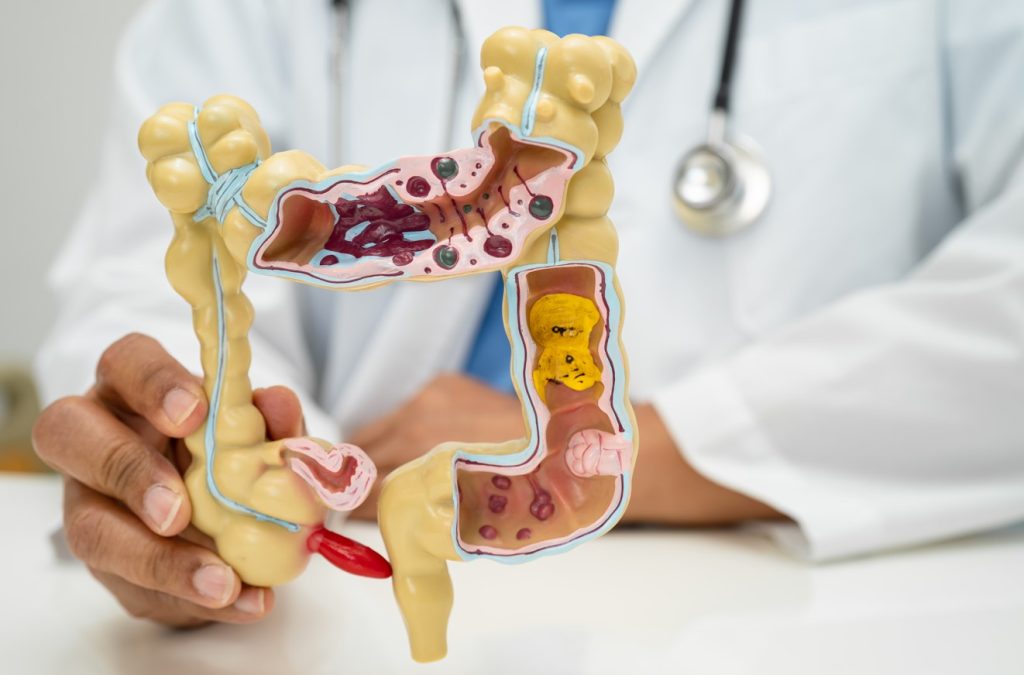
Gastrointestinal (GI) disorders encompass a wide spectrum of conditions that affect the digestive tract, which includes the esophagus, stomach, small intestine, large intestine (colon), rectum, and anus. These disorders are among the most common health issues globally, and they can range from mild disturbances like indigestion to chronic and potentially life-threatening diseases like inflammatory bowel disease (IBD) or gastrointestinal cancers.

At CentralGastro, we provide holistic care for all types of GI disorders using a blend of clinical expertise, cutting-edge diagnostics, and compassionate support. Our goal is to help patients not only manage their symptoms but understand their condition deeply, enabling long-term well-being.

Common GI Conditions Treated at CentralGastro

1. Gastroesophageal Reflux Disease (GERD)

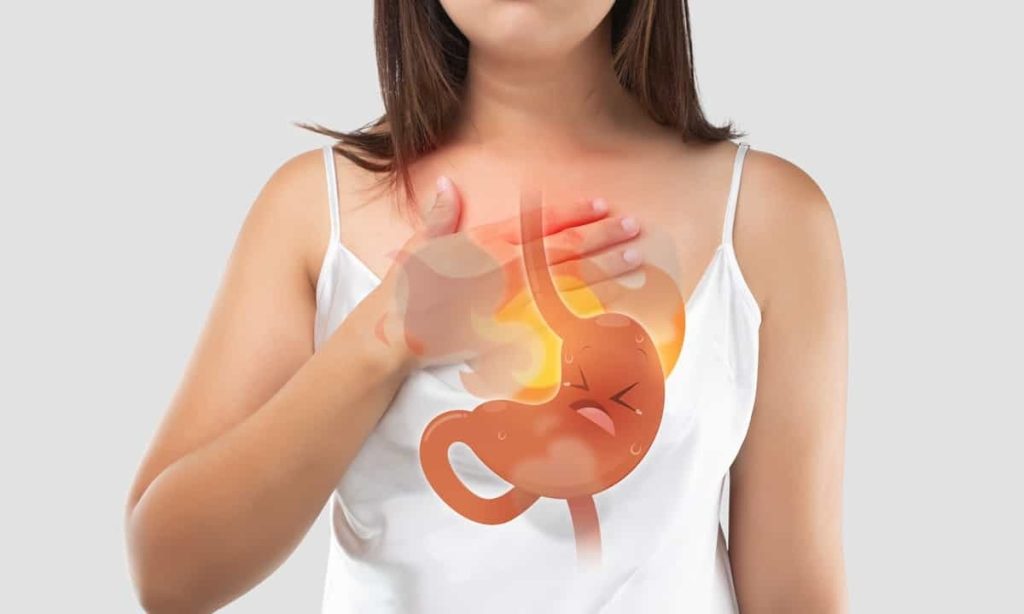
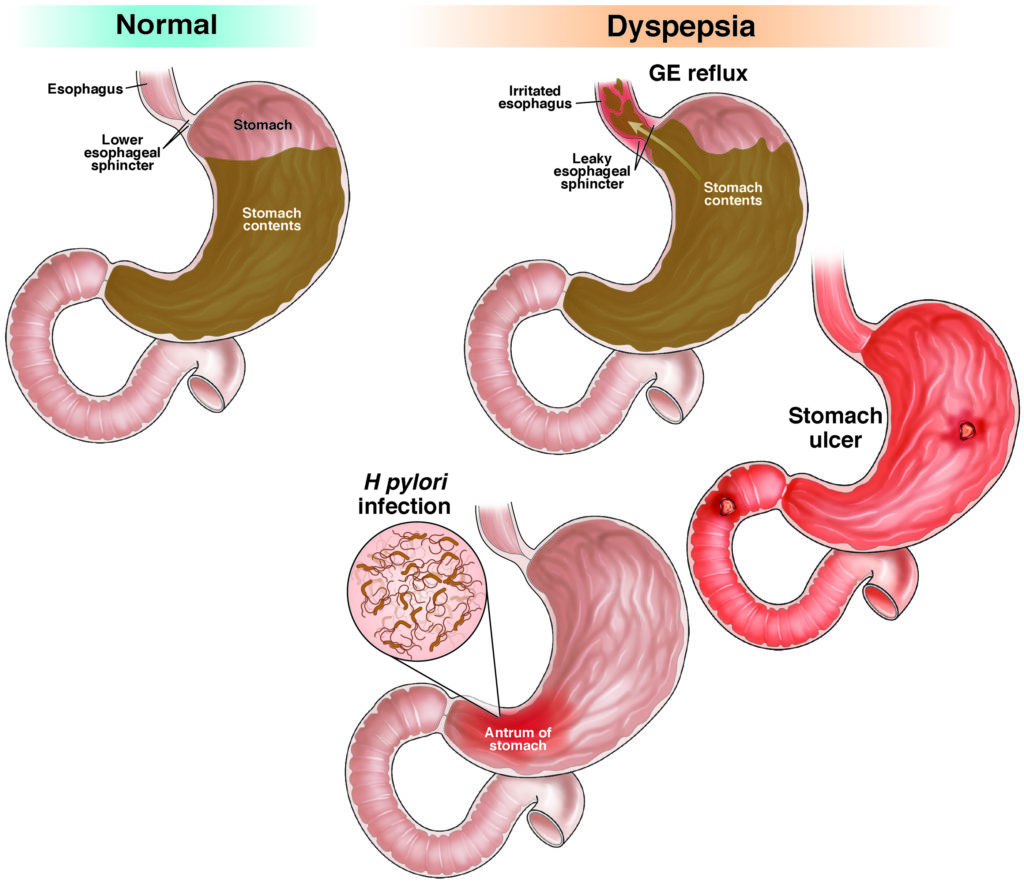
GERD is a chronic condition in which stomach acid frequently flows back into the esophagus, causing irritation, discomfort, and long-term complications if untreated.

  • Symptoms: Heartburn, regurgitation, chest pain, sore throat, hoarseness, difficulty swallowing
  • Causes: Weakening of the lower esophageal sphincter, obesity, smoking, pregnancy, certain medications
  • Diagnosis: Endoscopy, pH monitoring, esophageal manometry
  • Treatment: Lifestyle modifications, antacids, PPIs, H2 blockers, anti-reflux surgery if required
2. Irritable Bowel Syndrome (IBS)

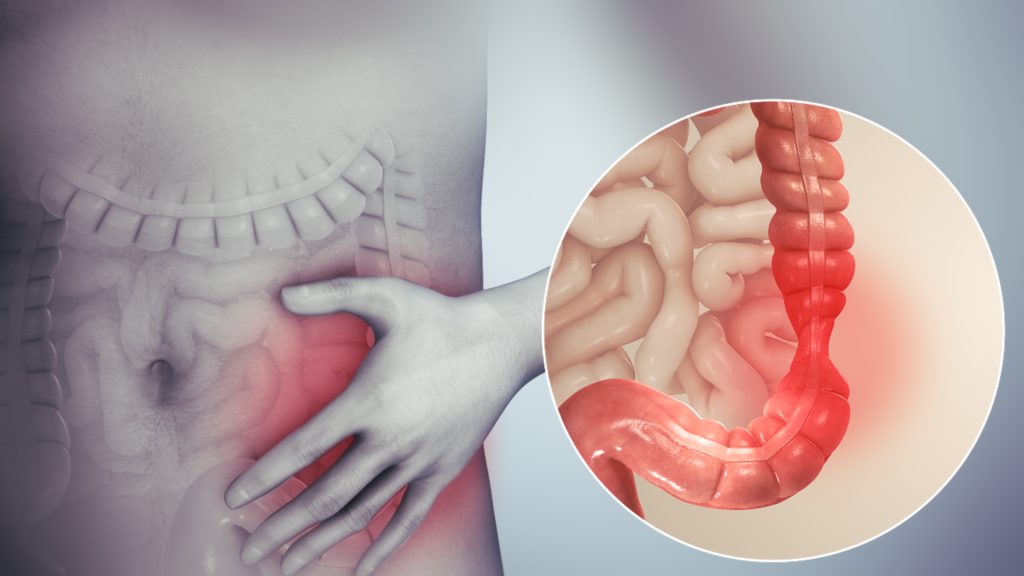
IBS is a functional GI disorder marked by abdominal discomfort and altered bowel habits without any visible structural abnormality.

  • Symptoms: Bloating, gas, constipation, diarrhea, abdominal cramps
  • Types: IBS-C (Constipation predominant), IBS-D (Diarrhea predominant), IBS-M (Mixed)
  • Causes: Altered gut motility, gut-brain axis dysfunction, food intolerances, stress
  • Diagnosis: Based on Rome IV criteria, ruling out other diseases through lab tests, colonoscopy if needed
  • Treatment: Diet modification (low FODMAP), stress management, fiber supplements, antispasmodics, antidepressants, gut-targeted antibiotics or probiotics
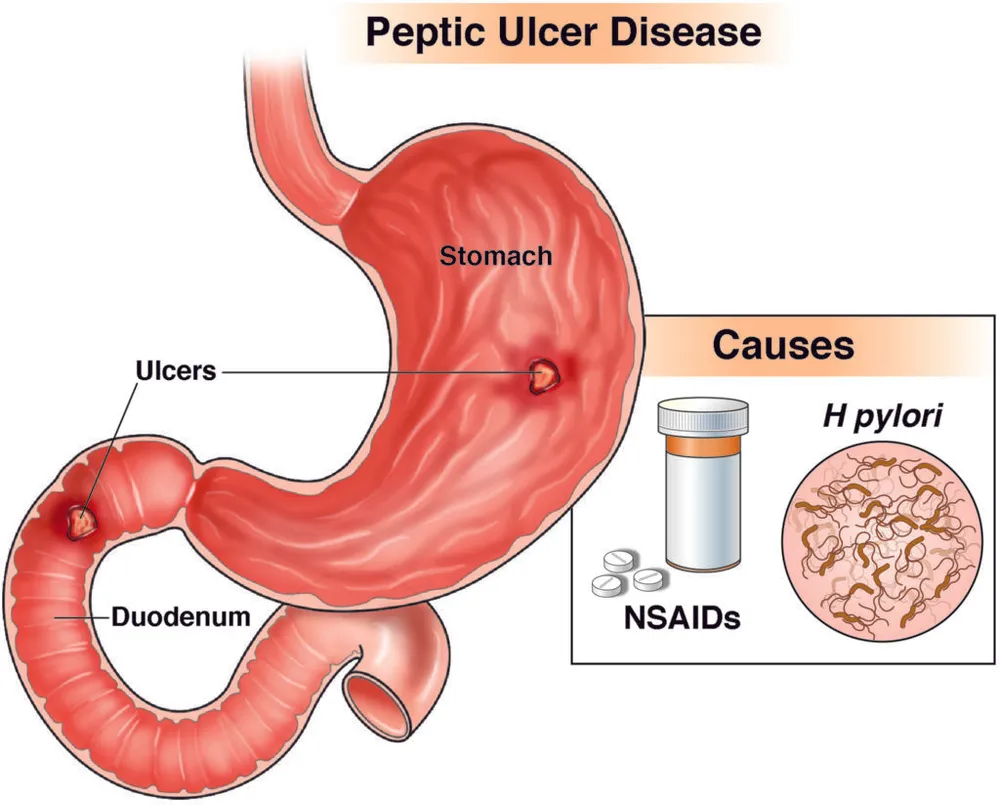
3. Peptic Ulcer Disease (PUD)

Peptic ulcers are open sores that develop in the lining of the stomach or the first part of the small intestine (duodenum).

  • Symptoms: Burning stomach pain, bloating, nausea, black/tarry stools (in case of bleeding)
  • Causes: H. pylori infection, NSAIDs overuse, smoking, alcohol
  • Diagnosis: Upper GI endoscopy, H. pylori testing (breath/stool/biopsy), imaging if perforation suspected
  • Treatment: Antibiotics for H. pylori, PPIs, lifestyle changes, avoiding NSAIDs
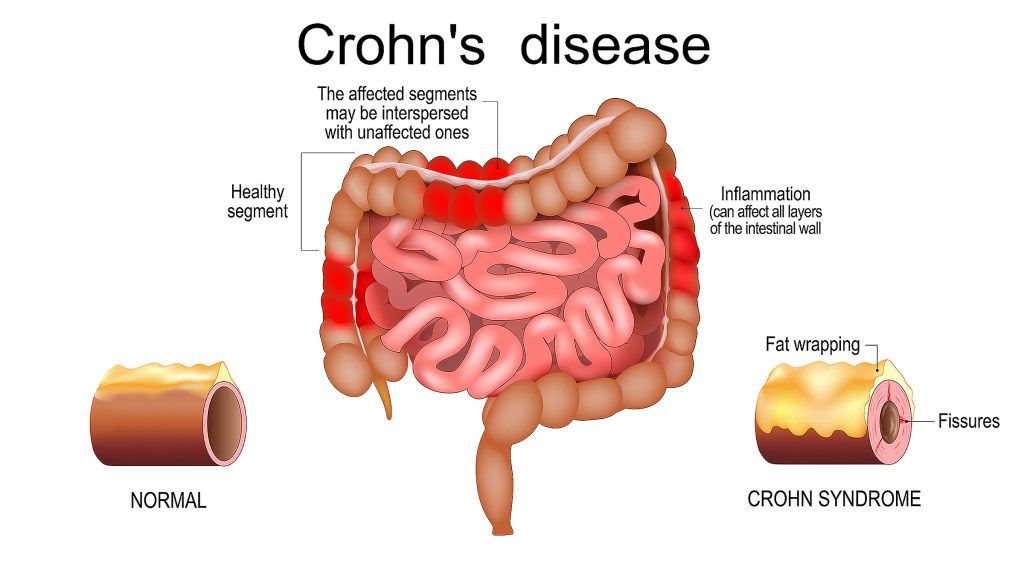
4. Crohn’s Disease

A type of inflammatory bowel disease (IBD), Crohn’s can affect any part of the digestive tract but most commonly impacts the ileum and colon.

  • Symptoms: Diarrhea, abdominal pain, fatigue, weight loss, blood in stool, malnutrition
  • Causes: Autoimmune response, genetic predisposition, environmental triggers
  • Diagnosis: Colonoscopy with biopsy, capsule endoscopy, CT/MRI enterography
  • Treatment: Anti-inflammatory drugs, immunosuppressants, biologics, dietary modifications, surgery in severe cases
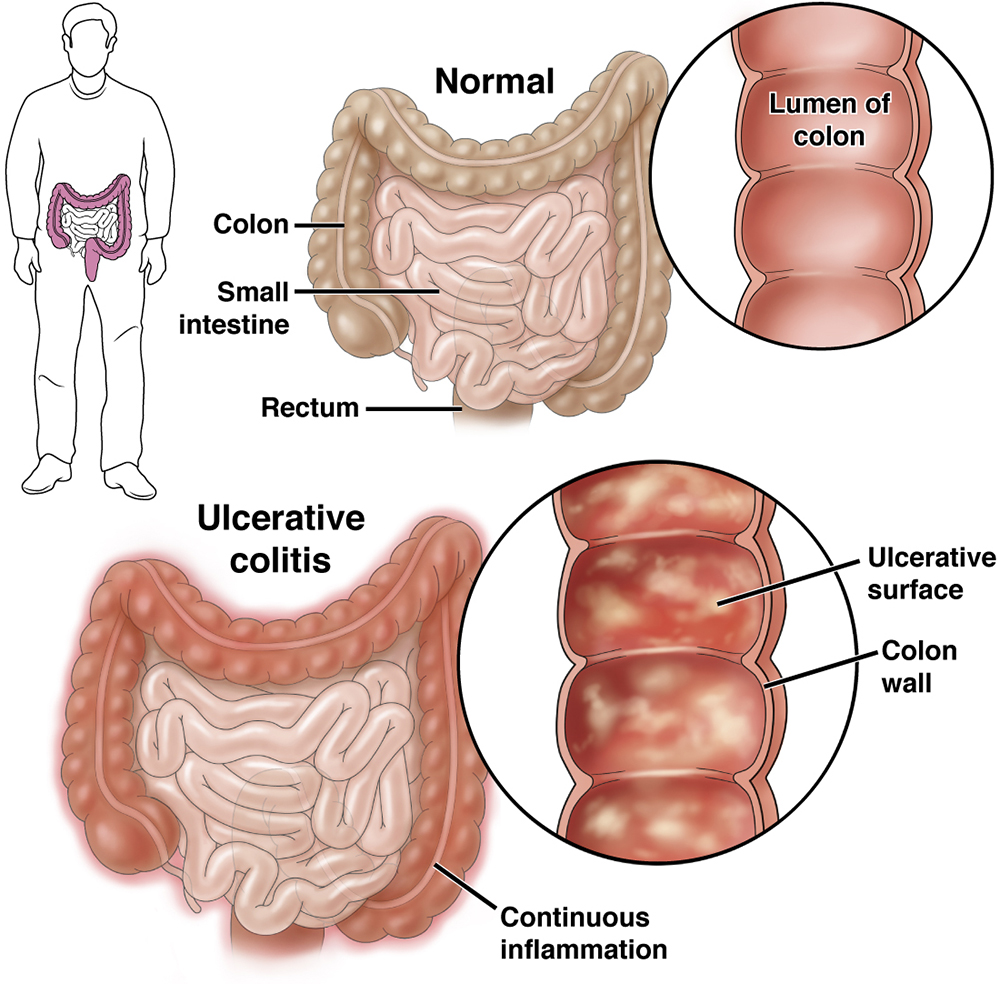
5. Ulcerative Colitis (UC)

Another form of IBD, UC causes long-lasting inflammation and ulcers in the innermost lining of the colon and rectum.

  • Symptoms: Bloody diarrhea, urgency, rectal bleeding, fatigue, abdominal cramps
  • Causes: Immune dysfunction, genetic factors, environmental triggers
  • Diagnosis: Colonoscopy with biopsy, stool studies, & blood tests
  • Treatment: Aminosalicylates, corticosteroids, biologics, surgery (colectomy) for refractory cases, immunosuppressants
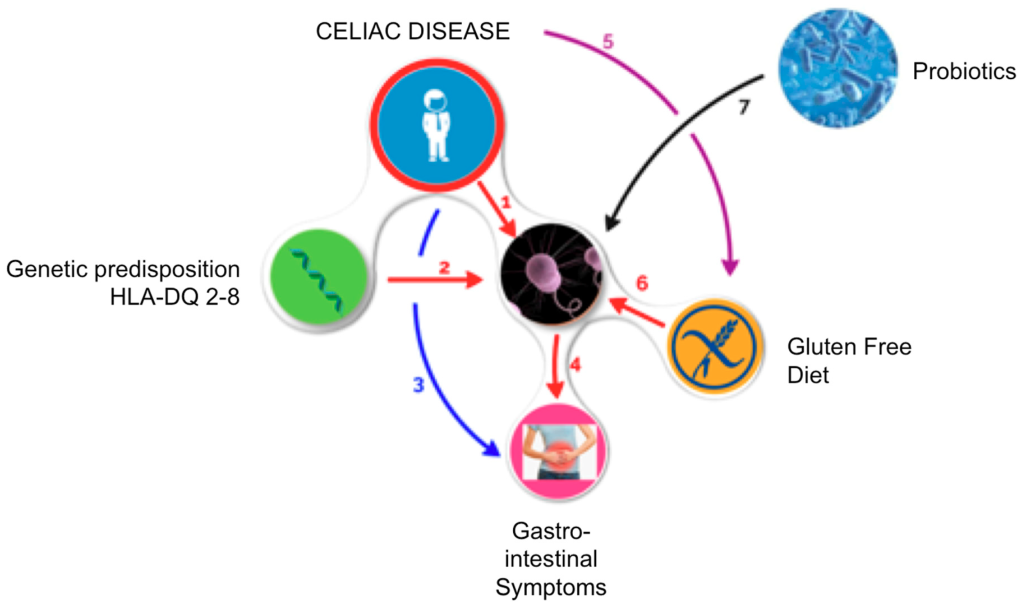
6. Celiac Disease

An autoimmune disorder where ingestion of gluten damages the small intestine lining, impairing nutrient absorption.

  • Symptoms: Diarrhea, weight loss, anemia, fatigue, bloating, skin rash (dermatitis herpetiformis)
  • Causes: Genetic predisposition, triggered by gluten ingestion
  • Diagnosis: Anti-tTG antibodies, endoscopy with biopsy of the small intestine
  • Treatment: Lifelong strict gluten-free diet, nutritional support, bone health monitoring
7. Functional Dyspepsia

A chronic disorder of sensation and movement in the upper digestive tract without an identifiable organic cause.

  • Symptoms: Upper abdominal pain, bloating, early satiety, nausea
  • Causes: Stress, slow gastric emptying, gut-brain interaction
  • Diagnosis: Clinical history, upper endoscopy to rule out ulcers or malignancy
  • Treatment: Dietary adjustments, PPIs, prokinetics, stress reduction, behavioral therapy
Gastrointestinal Infections

These include acute and chronic infections caused by bacteria, viruses, parasites, or fungi that affect the stomach or intestines.

  • Symptoms: Vomiting, diarrhea, abdominal pain, fever, dehydration
  • Common Pathogens: E. coli, Salmonella, Rotavirus, Norovirus, Giardia
  • Treatment: Rehydration, antibiotics (if bacterial), antiparasitic drugs, infection control

📅 Causes & Risk Factors

  • GI disorders stem from a wide range of influences, including:

    • Dietary factors: Fatty foods, gluten, lactose, caffeine, alcohol
    • Infections: H. pylori, viral gastroenteritis, parasitic infestations
    • Lifestyle: Stress, lack of exercise, smoking, poor sleep
    • Medication overuse: NSAIDs, antibiotics, anticholinergics
    • Genetics: Family history of IBD, celiac disease, colorectal cancer
    • Autoimmunity: Inflammatory responses to harmless gut flora or dietary proteins

    Understanding these triggers helps patients take preventive steps, make lifestyle changes, and seek early care when needed.
Symptoms of GI Disorders

  • While symptoms vary based on the condition, some common red flags include:

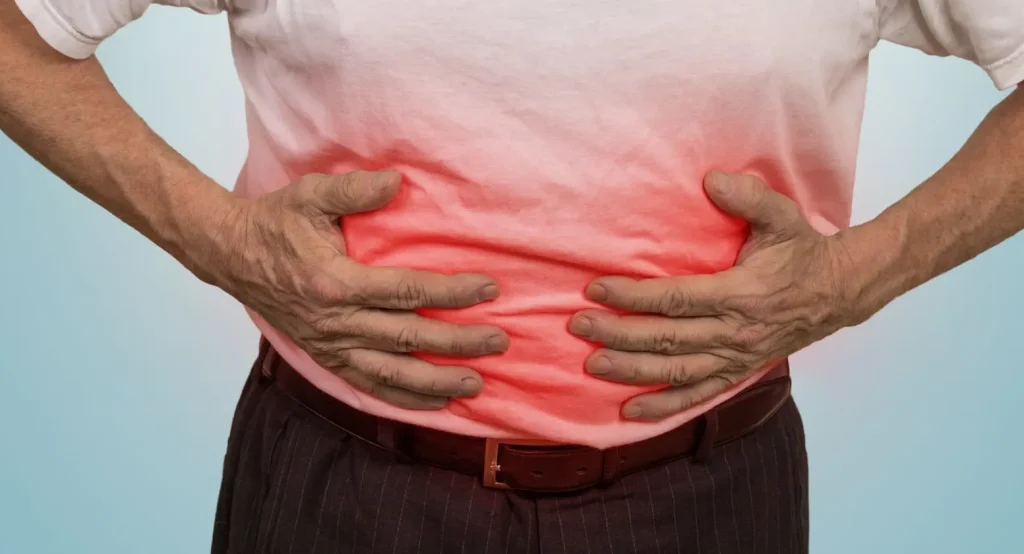
    • Abdominal pain or discomfort
    • Bloating and gas
    • Diarrhea or constipation
    • Acid reflux or heartburn
    • Nausea and vomiting
    • Blood in stool or black, tarry stools
    • Loss of appetite or early satiety
    • Unexplained weight loss
    • Fatigue

    Persistent or severe symptoms should never be ignored. Early evaluation can lead to timely treatment and prevent complications.

🌟 Treatment Options

At CentralGastro, our treatment strategies are personalized and holistic. Depending on the diagnosis, options may include:

1. Lifestyle and Dietary Changes

  • Low FODMAP diet for IBS
  • Gluten-free diet for celiac disease
  • Avoiding trigger foods (spicy, acidic, high-fat)
  • Increasing fiber and water intake
  • Stress management techniques (yoga, CBT, meditation)

2. Medications

  • Antacids, PPIs for reflux and ulcers
  • Antispasmodics for IBS
  • Antibiotics for infections and SIBO
  • Biologics and immunosuppressants for IBD
  • Prokinetics for gastroparesis and dyspepsia

3. Supplements & Nutritional Support

  • Iron, calcium, vitamin D, and B12 in malabsorption disorders
  • Digestive enzyme supplements where necessary
  •  


4. Interventional Treatments

  • Endoscopic hemostasis for GI bleeding
  • Polypectomy during colonoscopy
  • Dilatation of strictures
  • ERCP for bile duct complications

5. Surgical Options

  • Colectomy in severe UC
  • Resection of diseased bowel in Crohn’s
  • Anti-reflux surgery for refractory GERD

6. Integrative & Functional Medicine

  • Gut microbiome modulation
  • Nutrigenomics-based dietary planning
  • Holistic health coaching.
  • Psychotherapy and stress management

🛌 Living with a GI Disorder

  • Managing a GI condition is a long-term commitment that requires medical support, education, and self-awareness. At CentralGastro, we not only treat the disease but help you adapt to it without compromising your quality of life.

    We encourage:

    • Open dialogue with your care team
    • Following evidence-based dietary plans
    • Regular screenings for high-risk individuals
    • Tracking symptoms via apps or journals
    • Joining support groups for conditions like IBD or celiac disease
image 1
Experience expert gastrointestinal care in a comfortable, patient-friendly environment.
Walk in or book your appointment to consult with our specialists and take the first step toward better digestive health.
BOOk AN APPOINTMENT

Book an appointment for an in-clinic consultation

    P.FORM

    //
    Our customer support team is here to answer your questions. Ask us anything!
    👋 Hi, how can I help?