Central Gastro

Get a Trusted Second Opinion from Dr. Johny Cyriac  .   Learn More

Cancer Screening

Early Detection. Better Outcomes. Ethical Care.

At Central Gastro, we believe that cancer detected early is cancer defeated early. Gastrointestinal, liver, and pancreatic cancers often develop silently, without obvious symptoms until advanced stages. Regular screening helps identify these conditions early, when treatment is most effective and recovery outcomes are significantly improved.

Why Cancer Screening Matters

  • Detects precancerous growths before they turn malignant
  • Identifies cancers at an early, treatable stage
  • Reduces risk of complications and advanced disease
  • Provides reassurance and peace of mind for high-risk patients
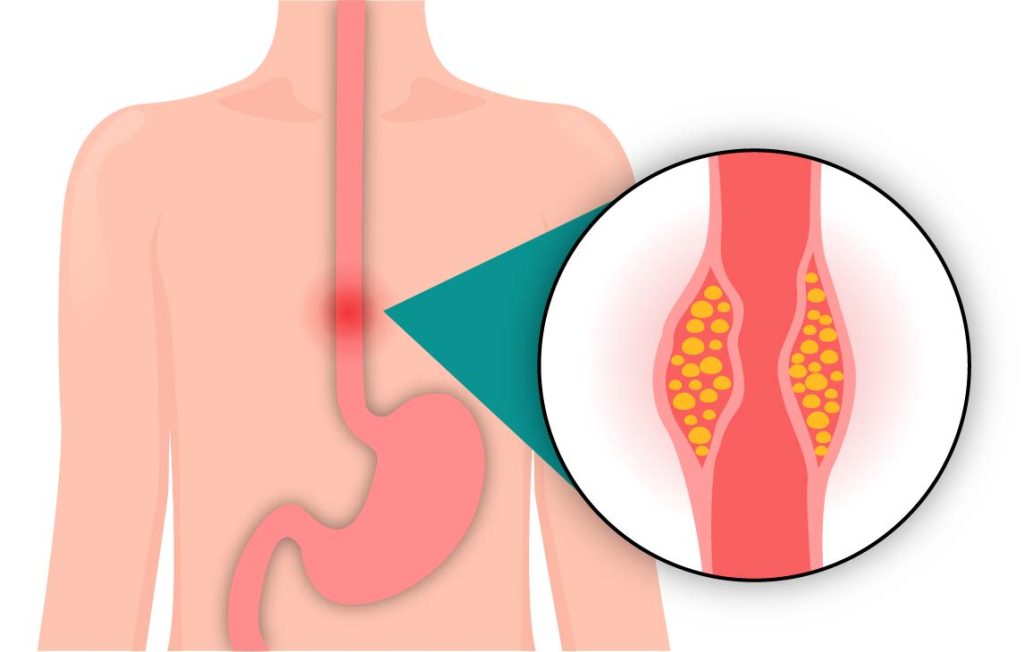
Types of Digestive Cancers We Screen For

1. Esophageal Cancer

  • Who should screen? Patients with chronic acid reflux, Barrett’s esophagus, or smoking/alcohol history.
  • Screening methods: Upper GI endoscopy, biopsy, narrow-band imaging.

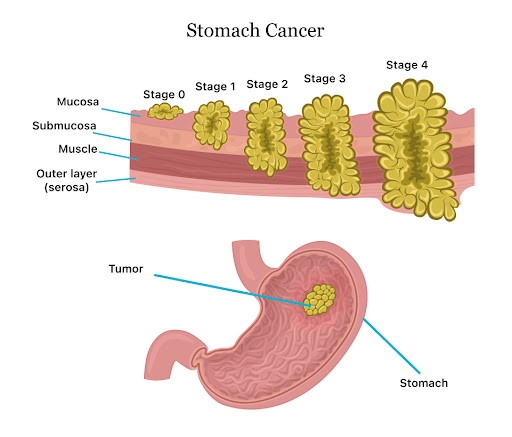
2. Stomach (Gastric) Cancer

  • Who should screen? Individuals with family history, H. pylori infection, or persistent gastritis/ulcers.
  • Screening methods: Upper GI endoscopy, H. pylori testing, targeted biopsies.

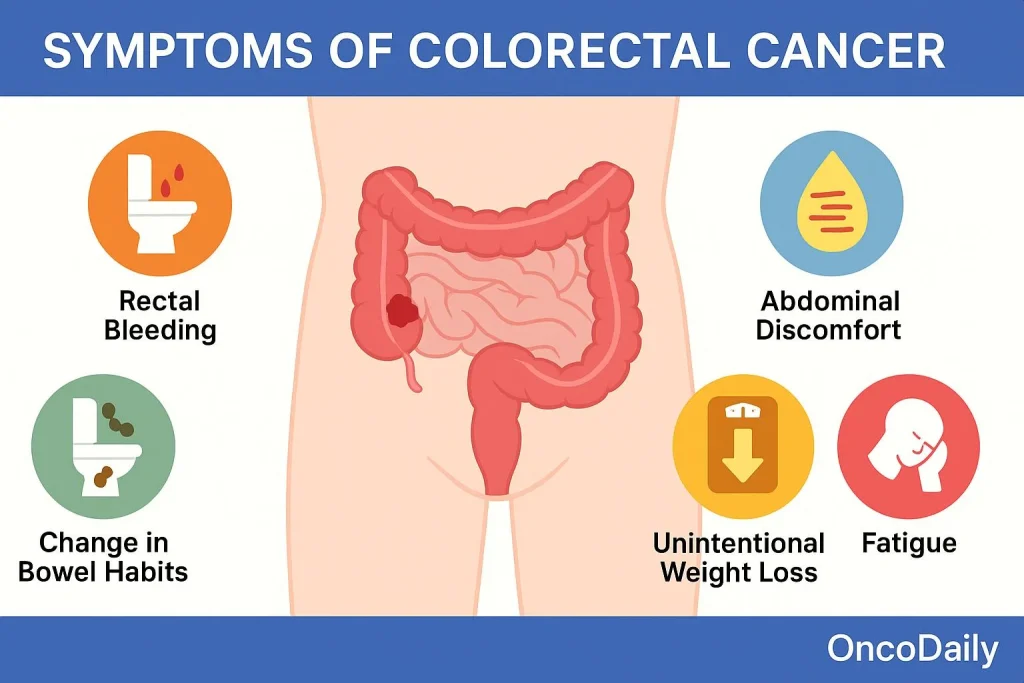
3. Colorectal Cancer

  • Who should screen? All adults above 45 years, or earlier if family history/polyps present.
  • Screening methods: Colonoscopy, polypectomy, fecal occult blood test (FOBT), advanced imaging.

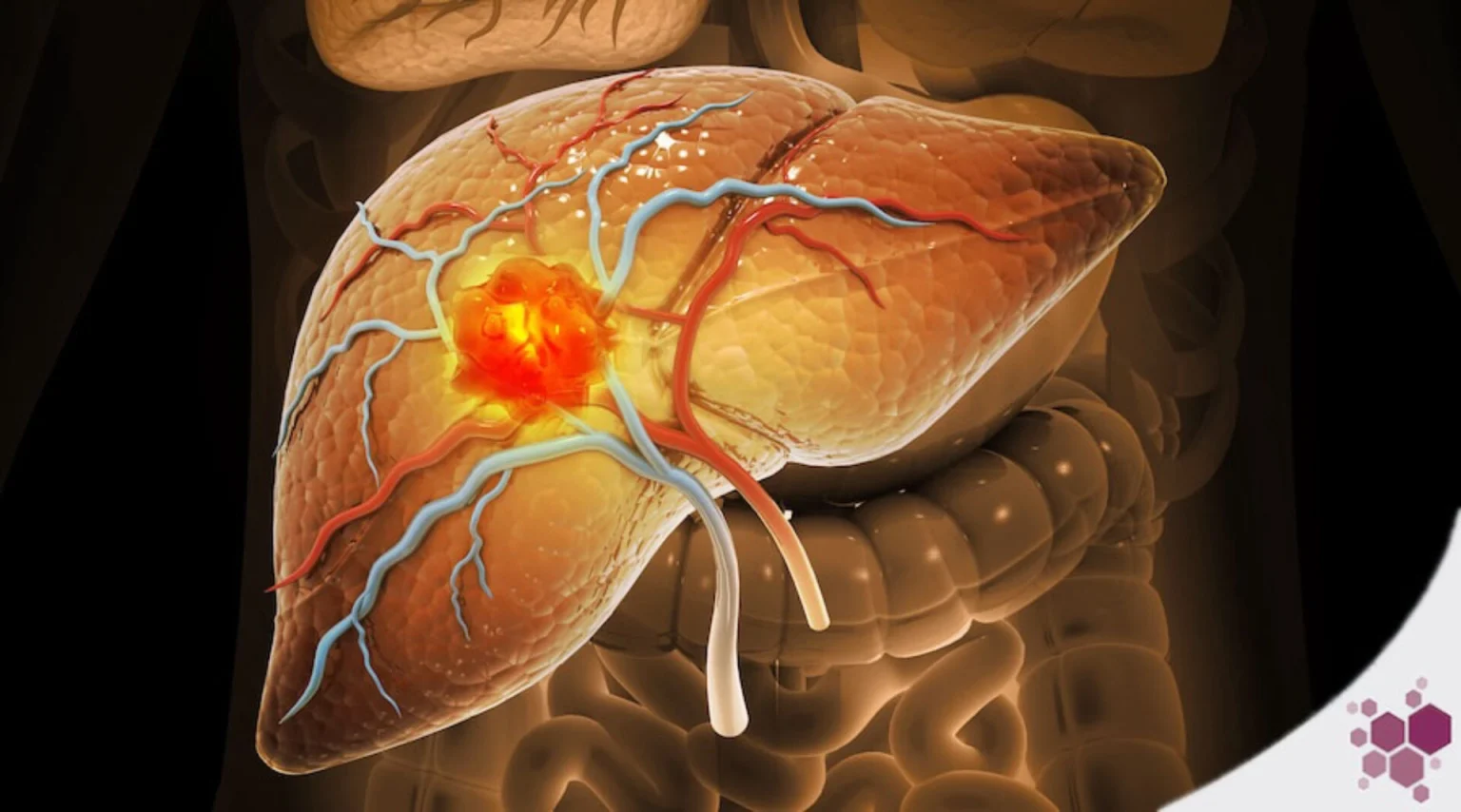
4. Liver Cancer (Hepatocellular Carcinoma – HCC)

  • Who should screen? Patients with hepatitis B/C, cirrhosis, or fatty liver disease.
  • Screening methods: Ultrasound, Fibroscan/Elastography, alpha-fetoprotein (AFP) blood test, MRI/CT if needed.

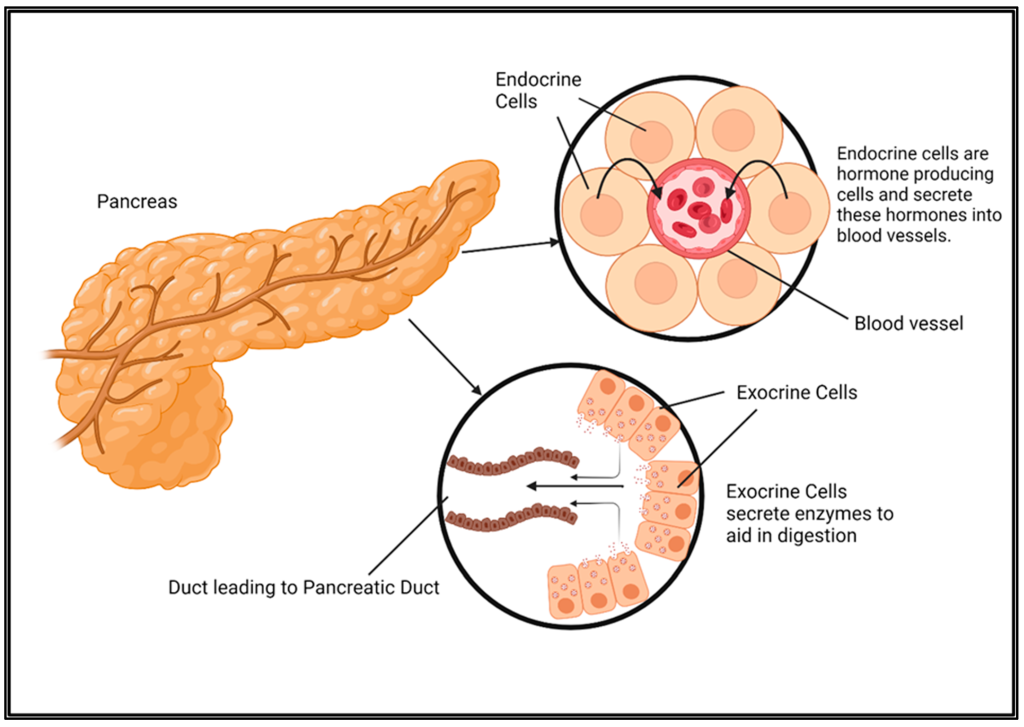
5. Pancreatic Cancer

  • Who should screen? High-risk groups – family history, chronic pancreatitis, pancreatic cysts, genetic syndromes.
  • Screening methods: Endoscopic Ultrasound (EUS), MRI/MRCP, genetic testing in select cases.

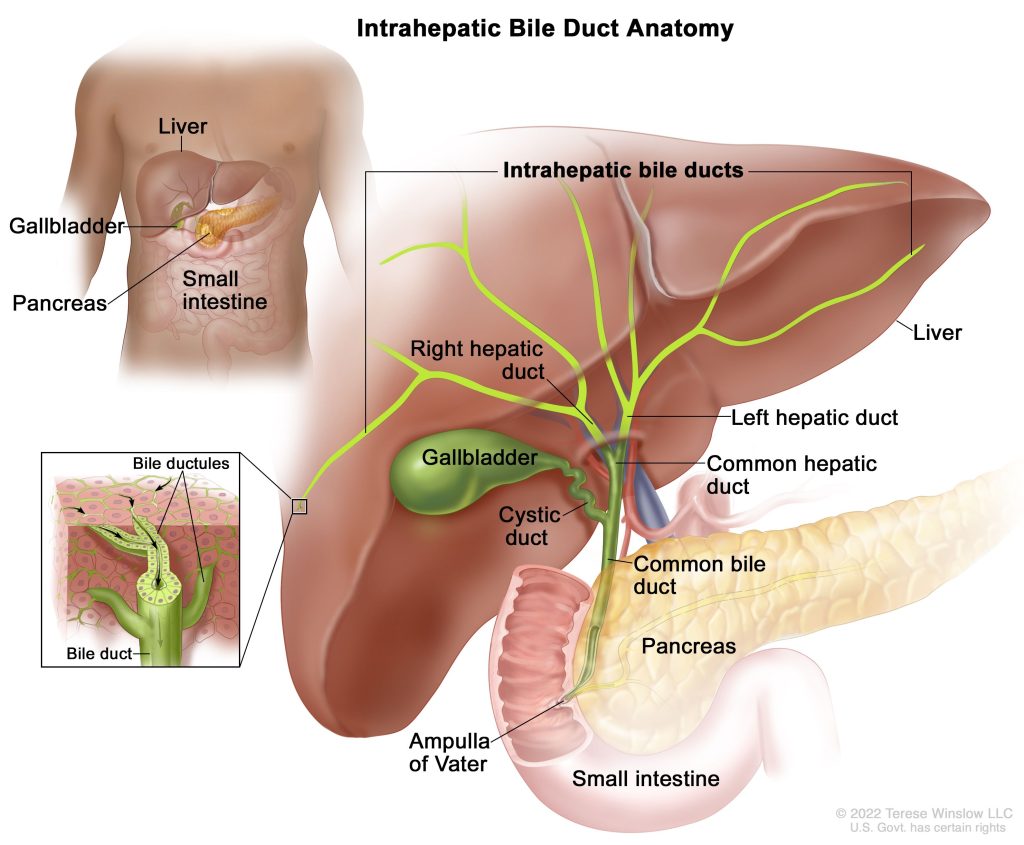
6. Biliary Tract & Gallbladder Cancer

  • Who should screen? Patients with gallstones, chronic gallbladder inflammation, or abnormal bile duct conditions.
  • Screening methods: Ultrasound, MRCP, ERCP, EUS-guided biopsy.

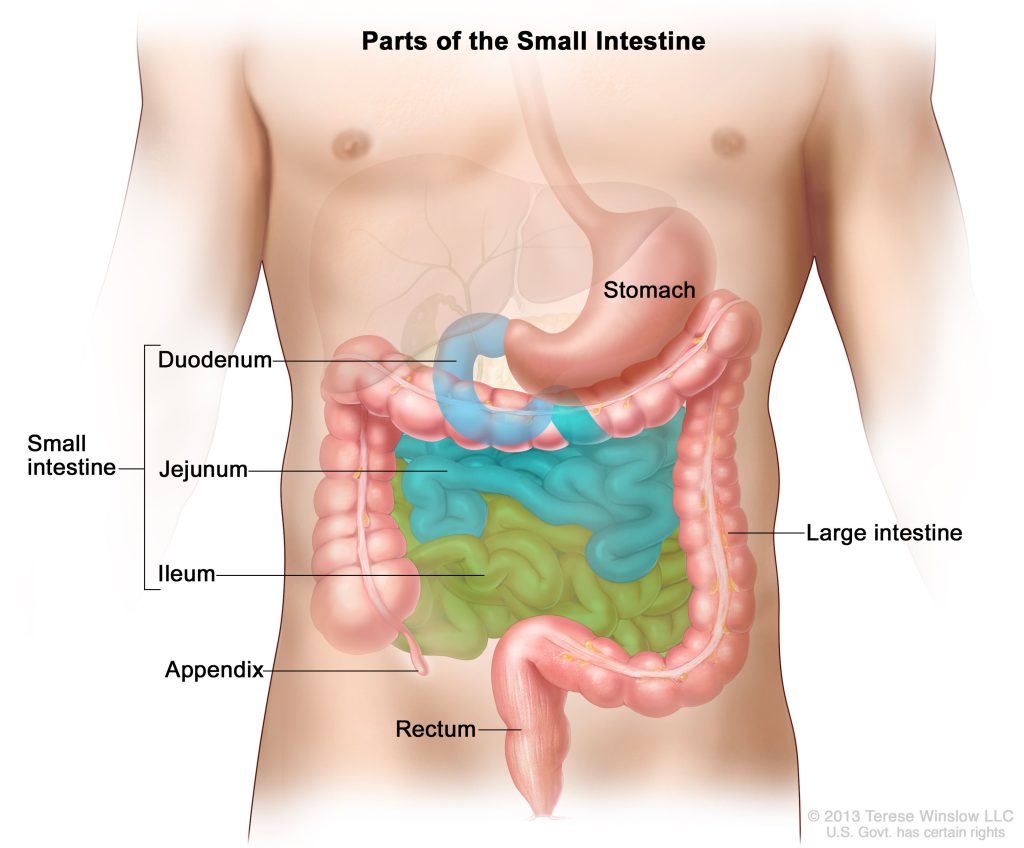
7. Small Intestinal & Rare GI Tumors (e.g., GIST, NETs)

  • Who should screen? Patients with unexplained bleeding, anemia, or abdominal masses.
  • Screening methods: Endoscopic Ultrasound (EUS), MRI/MRCP, genetic testing in select cases.

🧪 High-Risk Surveillance Programs

We provide specialized surveillance programs for individuals with:
✔ Family history of GI cancers
✔ Genetic syndromes (e.g., Lynch Syndrome, FAP)
✔ Chronic liver disease or cirrhosis
✔ Barrett’s esophagus or inflammatory bowel disease (IBD)

image 1
Experience expert gastrointestinal care in a comfortable, patient-friendly environment.
Walk in or book your appointment to consult with our specialists and take the first step toward better digestive health.
BOOk AN APPOINTMENT

Book an appointment for an in-clinic consultation

    P.FORM

    //
    Our customer support team is here to answer your questions. Ask us anything!
    👋 Hi, how can I help?