Central Gastro

Get a Trusted Second Opinion from Dr. Johny Cyriac  .   Learn More

Understanding Pancreatic Disorders

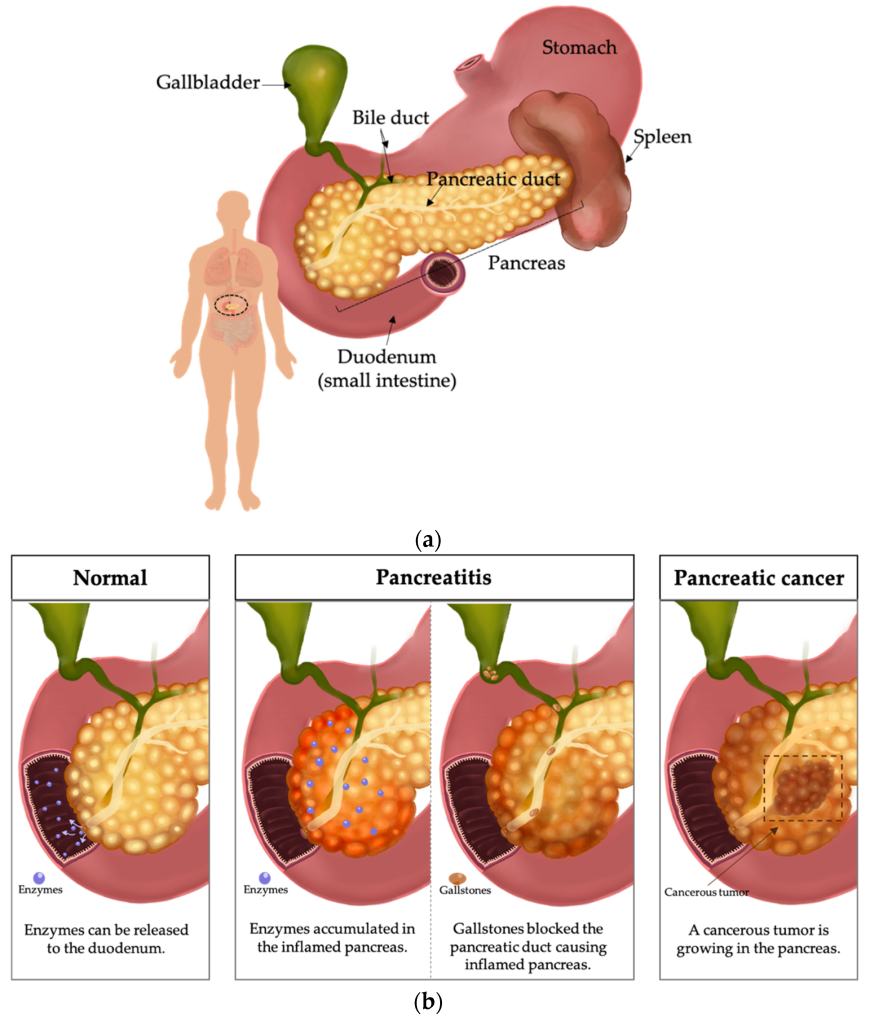
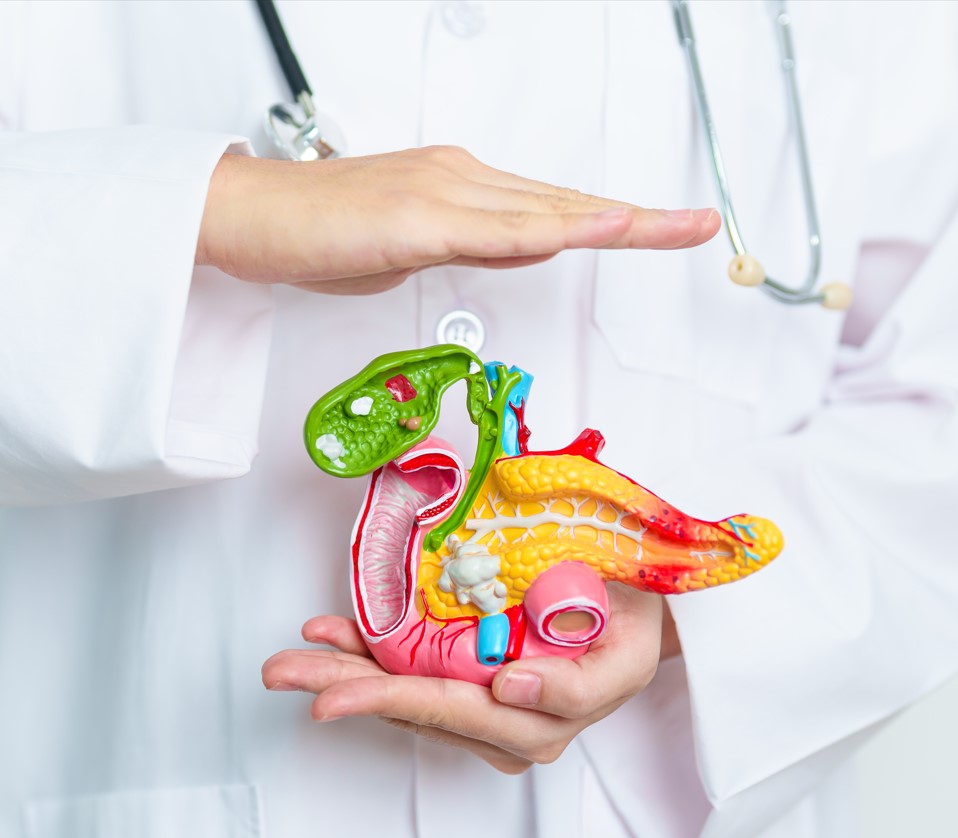
The pancreas is a vital organ located deep in the abdomen, nestled behind the stomach. It performs two critical functions: releasing digestive enzymes (exocrine function) and regulating blood sugar through insulin and glucagon (endocrine function). Pancreatic disorders can disrupt either or both of these functions, leading to a spectrum of conditions that range from sudden inflammation (acute pancreatitis) to chronic diseases, cysts, stones, and malignancies.

Pancreatic conditions can be serious and often require specialized intervention. At CentralGastro, we approach pancreatic diseases with precision diagnostics, minimally invasive endoscopic therapies, and long-term supportive care under the guidance of Dr. Johny Cyriac and our dedicated hepatopancreatobiliary team.

Common Pancreatic Conditions Treated at CentralGastro

1. Acute Pancreatitis

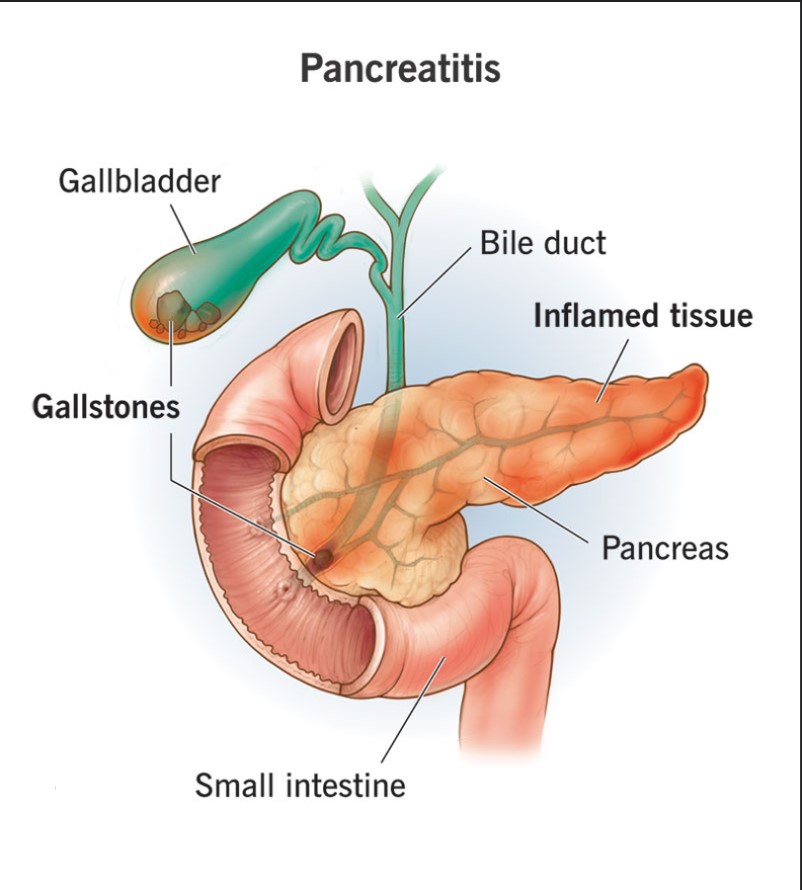
A sudden inflammation of the pancreas that can range from mild discomfort to a life-threatening illness. Patients with mild disease recover fully, but severe cases can lead to organ failure or infected necrosis and death.

  • Symptoms: Severe upper abdominal pain radiating to the back, nausea, vomiting, fever, abdominal tenderness
  • Causes: Gallstones, alcohol abuse, high triglycerides, certain medications, trauma, post-ERCP complications
  • Diagnosis: Elevated serum amylase and lipase, CT scan or MRI of the abdomen, ultrasound (to check for gallstones)
  • Treatment: ERCP if gallstones are the cause ERCP if stones migrate into bile duct (choledocholithiasis)
2. Chronic Pancreatitis

A long-standing inflammation of the pancreas that alters its normal structure and functions. It can lead to irreversible damage and significant lifestyle impairment.

  • Symptoms: Chronic abdominal pain, malabsorption, oily/foul-smelling stools, diabetes, weight loss
  • Causes: Alcohol abuse, genetic mutations, autoimmune disease, obstructive causes (strictures or stones)
  • Diagnosis: CT/MRI, EUS, MRCP, pancreatic function tests, fecal elastase
  • Treatment: Pain management, enzyme replacement therapy, diabetes management, surgery or endoscopic stenting for obstruction
3. Pancreatic Cysts

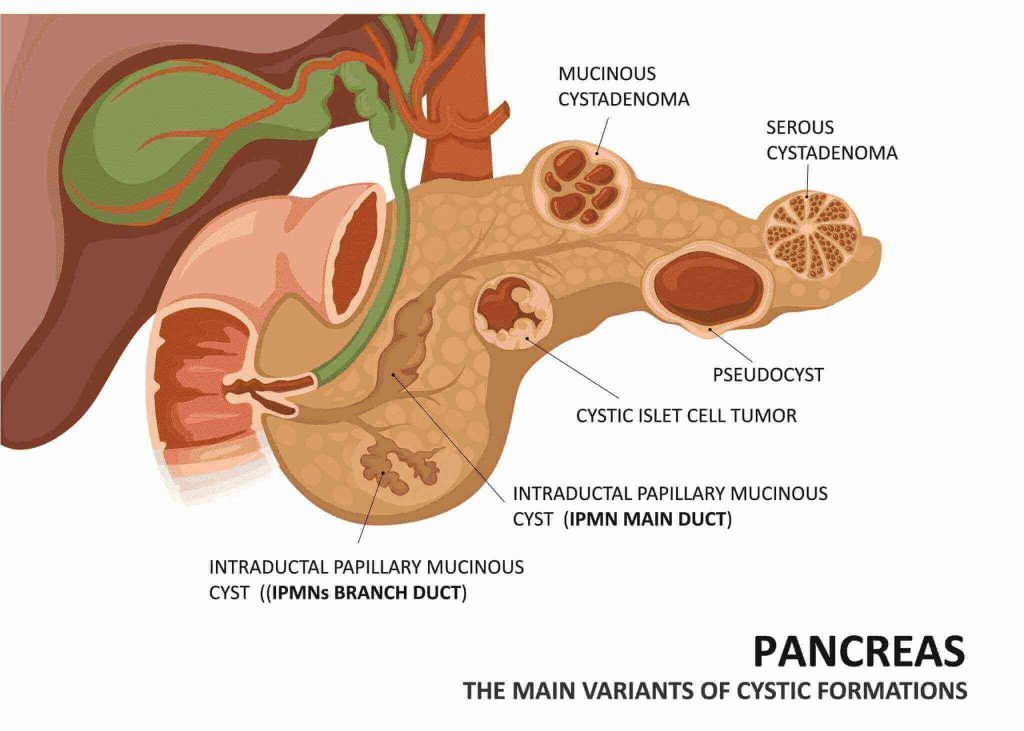
Fluid-filled sacs in the pancreas that may be benign or pre-cancerous. Types include pseudocysts, cystic neoplasms, and IPMNs (intraductal papillary mucinous neoplasms).

  • Symptoms: Often asymptomatic. When symptomatic: abdominal pain, early satiety, nausea, or back pain
  • Diagnosis: EUS with FNA (fine-needle aspiration), MRI/MRCP, CT scan
  • Treatment: Observation for benign cysts, EUS-guided therapy , or surgical resection for cysts with malignant potential
4. Pancreatic Cancer

One of the most aggressive and challenging cancers to treat, usually diagnosed at an advanced stage.

  • Symptoms: Abdominal or back pain, unexplained weight loss, jaundice, loss of appetite, dark urine, pale stools
  • Risk Factors: Chronic pancreatitis, family history, smoking, diabetes, certain genetic syndromes
  • Diagnosis: EUS with biopsy, CT or MRI, CA 19-9 blood test, staging scans
  • Treatment: Whipple surgery (pancreaticoduodenectomy), chemotherapy, radiation, palliative stenting, EUS-guided ablation or drainage for symptom control
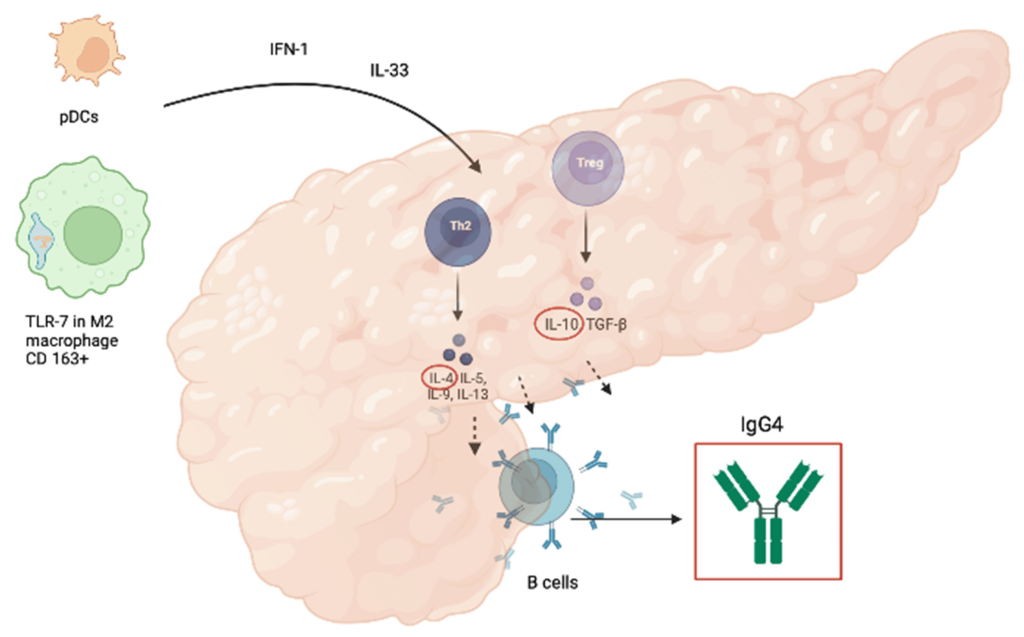
5. Autoimmune Pancreatitis (AIP)

A rare form of chronic pancreatitis caused by the body’s immune system attacking the pancreas, often mimicking pancreatic cancer.

  • Diagnosis: Elevated IgG4 levels, EUS, biopsy, steroid responsiveness
  • Treatment: Corticosteroids (prednisolone), immunomodulators, follow-up imaging to assess remission
6. Pancreatic Stones

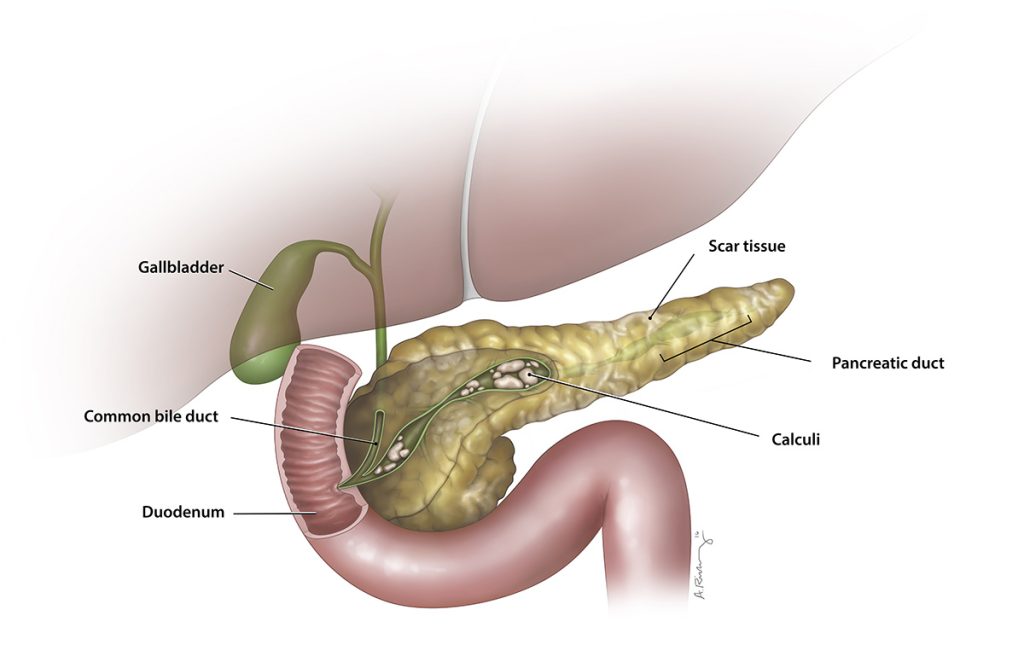
Calcified material that forms within the pancreatic ducts, often due to chronic pancreatitis. These stones can block the ducts and worsen inflammation.

  • Symptoms: Recurrent abdominal pain, nausea, vomiting, worsening malabsorption
  • Diagnosis: X-ray, CT scan, MRCP, EUS
  • Treatment: ERCP with stone extraction, lithotripsy (stone fragmentation), surgery in severe cases

Recognizing Pancreatic Symptoms

  • Pancreatic conditions often present with subtle yet serious symptoms. Key signs include:

    • Upper abdominal pain that radiates to the back
    • Nausea and vomiting
    • Unexplained jaundice
    • Fatigue and weakness
    • Poor digestion and oily stools
    • Weight loss
    • Newly diagnosed diabetes in adults over 50 (can be a red flag for cancer)

    Early recognition of these symptoms is crucial for timely intervention and better outcomes.
Diagnostic Tools for Pancreatic Disorders

  • At CentralGastro, we use a combination of advanced imaging and endoscopic tools for precise diagnosis:

    • Endoscopic Ultrasound (EUS): High-resolution imaging of pancreas and surrounding structures; allows for guided biopsy
    • CT Scan: Useful in acute pancreatitis, pseudocysts, and cancer staging
    • MRI/MRCP: Detailed ductal imaging without radiation
    • Blood Tests: Amylase, lipase, liver function tests, tumor markers (CA 19-9)
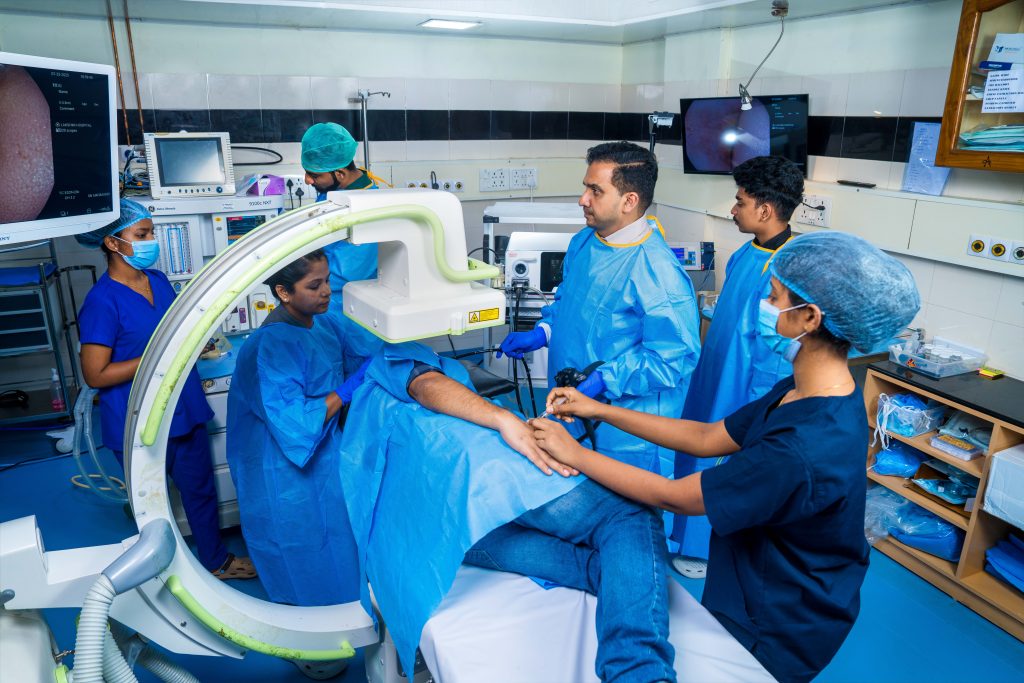
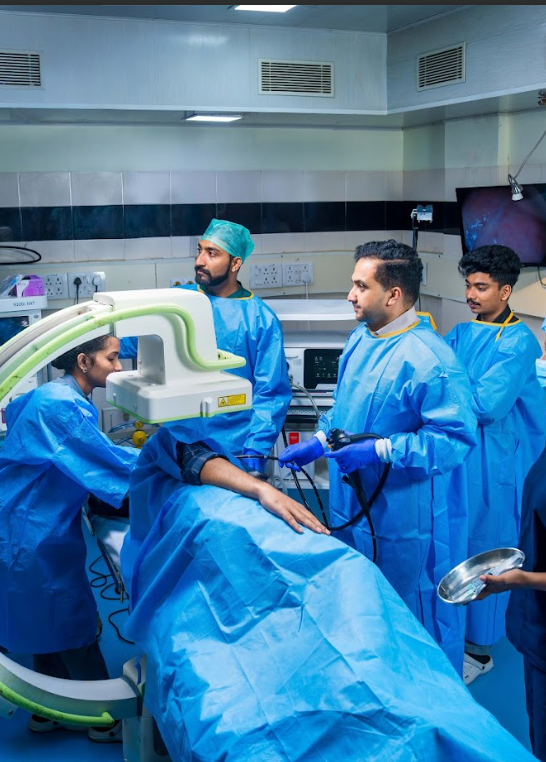
    • ERCP: Both diagnostic and therapeutic in cases of ductal obstruction or stones

🌟 Treatment Options

Management depends on the specific condition and severity. CentralGastro offers both conservative and advanced interventional options:

  • 1. Medical Management
  • 2. Endoscopic Therapies
  • 3. Surgical Interventions
  • 4. Nutritional and Lifestyle Support


🤗 Managing Long-Term Pancreatic Insufficiency

  • Pancreatic insufficiency occurs when the pancreas fails to produce enough enzymes to digest food. It leads to malabsorption, weight loss, and deficiencies.

    Supportive Therapies Include:

    • Pancreatic enzyme supplements (taken with meals)
    • Vitamin D, A, E, K supplementation
    • Blood glucose monitoring (risk of diabetes)
    • Regular imaging and lab monitoring

    CentralGastro also provides long-term follow-up, patient education, and support groups for chronic pancreatic conditions.

🛌 Living with Pancreatic Disorders

  • Pancreatic disease can be life-altering, but with early detection, expert care, and lifestyle management, many patients live full and productive lives.

    Tips for daily living:

    • Keep a symptom journal and diet log
    • Avoid alcohol, tobacco, and heavy meals
    • Report persistent back or abdominal pain to your doctor
    • Schedule regular follow-ups and imaging
    • Join patient communities to share experiences
image 1
Experience expert gastrointestinal care in a comfortable, patient-friendly environment.
Walk in or book your appointment to consult with our specialists and take the first step toward better digestive health.
BOOk AN APPOINTMENT

Book an appointment for an in-clinic consultation

    P.FORM

    //
    Our customer support team is here to answer your questions. Ask us anything!
    👋 Hi, how can I help?