Central Gastro

Get a Trusted Second Opinion from Dr. Johny Cyriac  .   Learn More

Understanding
Liver Diseases

The liver is one of the most important and complex organs in the human body. It is responsible for over 500 vital functions, including metabolism of nutrients, detoxification of harmful substances, synthesis of proteins and hormones, and regulation of cholesterol and glucose levels. Yet, liver diseases are often silent — progressing unnoticed until they reach an advanced stage.

At CentralGastro, we specialize in diagnosing and treating a wide spectrum of liver disorders. Our team, led by Dr. Johny Cyriac, brings advanced hepatology expertise and the latest in diagnostics and treatment options to deliver holistic and ethical care.

Common Liver Disease Conditions Treated at CentralGastro

1. Fatty Liver Disease (NAFLD/MASLD NASH/MASH)

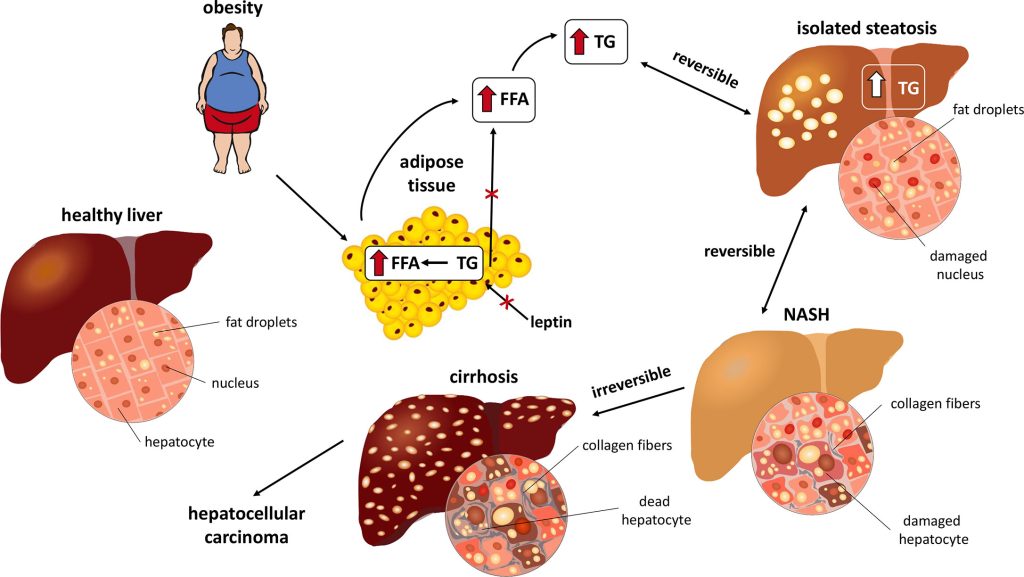
Fatty liver disease refers to the accumulation of excess fat in liver cells, unrelated to alcohol use. It ranges from simple steatosis (NAFLD) to a more severe form called non-alcoholic steatohepatitis (NASH), which can lead to fibrosis, cirrhosis, or liver cancer.

  • Symptoms: Often asymptomatic. When present: fatigue, discomfort in the upper right abdomen, mild jaundice, elevated liver enzymes.
  • Risk Factors: Obesity, insulin resistance, type 2 diabetes, high cholesterol, sedentary lifestyle
  • Diagnosis: Liver function tests (LFTs), ultrasound, FibroScan (elastography), MRI-PDFF, liver biopsy
  • Significance- Risk of progression to serious liver diseases including Cirrhosis and Cancer
  • Treatment: Lifestyle modification (diet, exercise), weight loss, insulin sensitizers, individualized drug therapy in select patients, monitoring of liver stiffness via FibroScan.
2. Hepatitis B & C

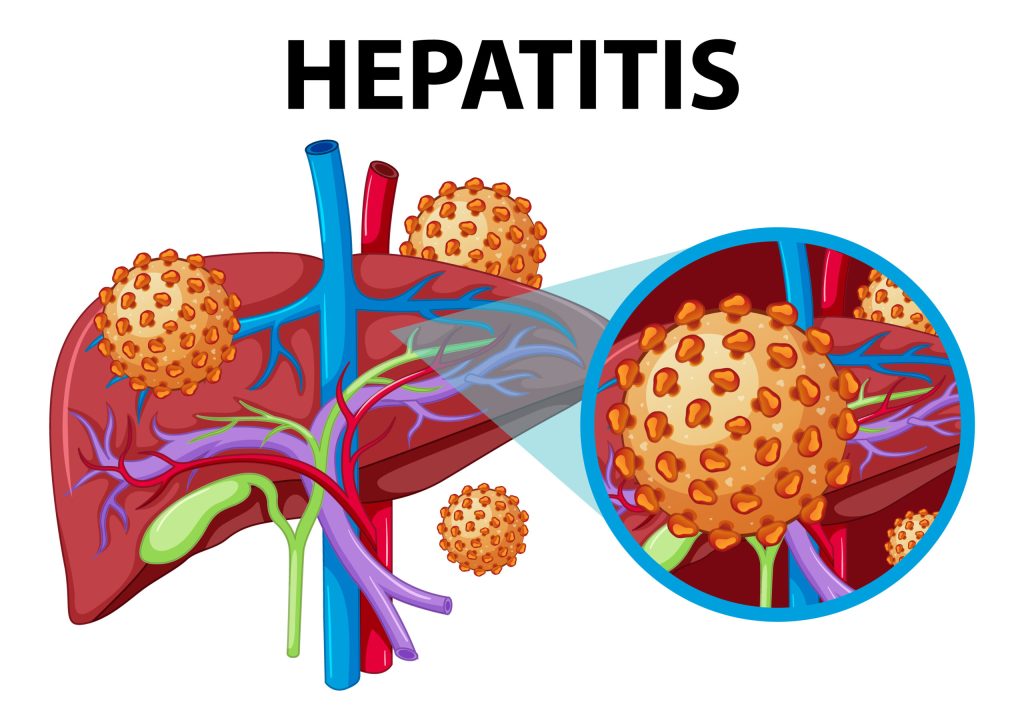
These viral infections attack the liver, causing inflammation. While many recover completely, chronic cases can result in liver damage and increase the risk of cirrhosis and liver cancer.

  • Symptoms: Fatigue, jaundice, dark urine, loss of appetite, nausea, joint pain
  • Transmission: Hepatitis B – blood, sexual contact, mother to child. Hepatitis C – primarily blood-to-blood contact
  • Diagnosis: HBsAg, anti-HCV antibody test, viral load tests (HBV DNA, HCV RNA), liver biopsy or FibroScan
  • Treatment: Hepatitis B: Antivirals like tenofovir or entecavir, regular monitoring, Hepatitis C: Direct-acting antivirals (DAAs), typically 8–12 weeks with >95% cure rate
3. Cirrhosis

Cirrhosis is the final stage of many chronic liver diseases, where normal liver tissue is replaced with scar tissue, leading to progressive loss of liver function.

  • Symptoms: Jaundice, ascites (fluid accumulation), easy bruising, confusion (hepatic encephalopathy), fatigue, variceal bleeding
  • Causes: Chronic hepatitis, fatty liver disease, chronic alcohol abuse, autoimmune liver disease, genetic disorders (e.g., hemochromatosis)
  • Diagnosis: LFTs, imaging (ultrasound, CT, MRI), FibroScan, liver biopsy, upper endoscopy (for varices)
  • Treatment: Medical management, monitoring, endotherapy, interventional radiology, liver transplantation in select stages
4. Liver Cancer (Hepatocellular Carcinoma - HCC)

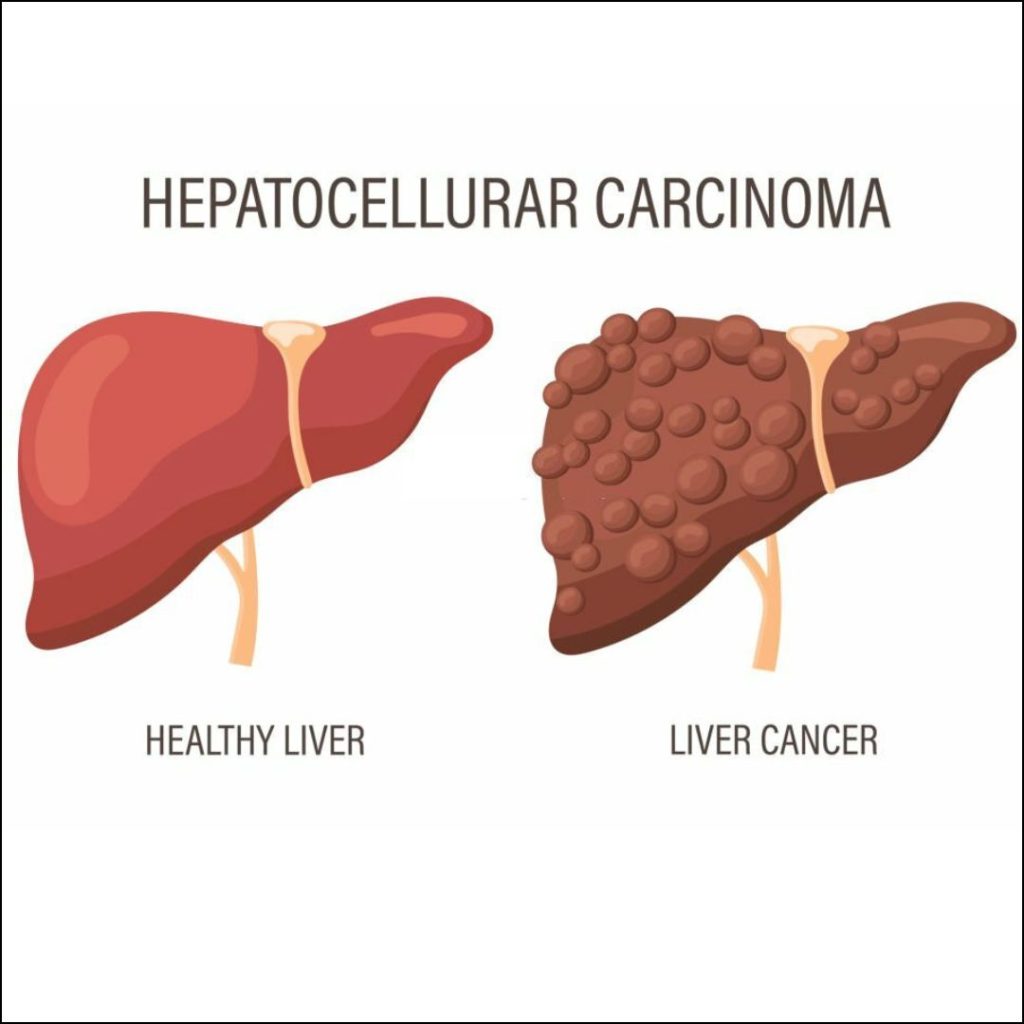
HCC is the most common type of primary liver cancer. It often arises in the background of cirrhosis or chronic hepatitis infections.

  • Symptoms: Unintentional weight loss, right upper abdominal pain, jaundice, loss of appetite, enlarged liver
  • Risk Factors: Chronic hepatitis B or C, cirrhosis, alcohol abuse, NASH
  • Diagnosis: Imaging (contrast-enhanced MRI/CT), alpha-fetoprotein (AFP) blood test, biopsy (in select cases)
  • Treatment: Early stage: surgical resection, liver transplant, local ablation (RFA), Intermediate: TACE (transarterial chemoembolization), Advanced: Targeted therapy , immunotherapy, palliative care
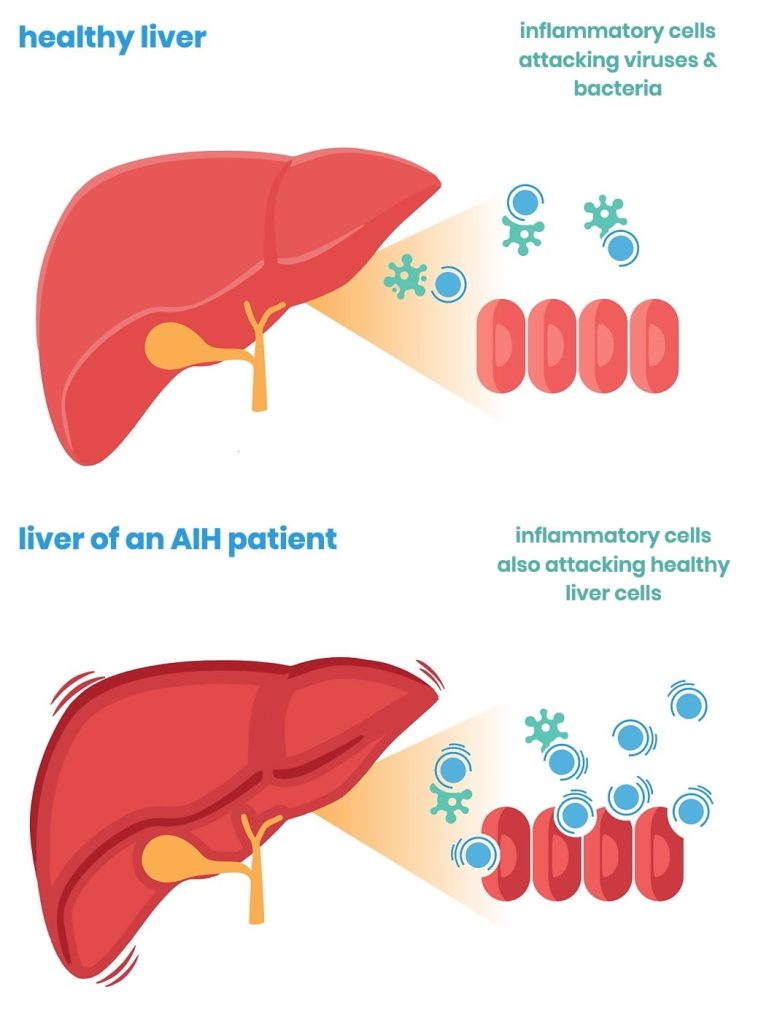
5. Autoimmune Hepatitis

A chronic inflammatory liver disease in which the body’s immune system attacks healthy liver cells.

  • Symptoms: Fatigue, jaundice, joint pain, enlarged liver, menstrual irregularities
  • Causes: Genetic predisposition, environmental triggers, other autoimmune diseases (e.g., thyroiditis)
  • Diagnosis: Autoantibodies (ANA, SMA, LKM), LFTs, liver biopsy
  • Treatment: Immunosuppressive therapy (prednisolone, azathioprine), Monitoring for progression to cirrhosis, Regular follow-up for drug side effects and liver function
6. Liver Abscess

A collection of pus in the liver caused by infection, either bacterial (pyogenic) or parasitic (e.g., amoebic).

  • Symptoms: Fever with chills, right upper abdominal pain, nausea, weight loss
  • Diagnosis: Ultrasound, CT scan, blood cultures, aspiration under imaging guidance
  • Treatment: Antibiotics, percutaneous drainage, supportive care

🔎 How Liver Diseases Develop and Progress

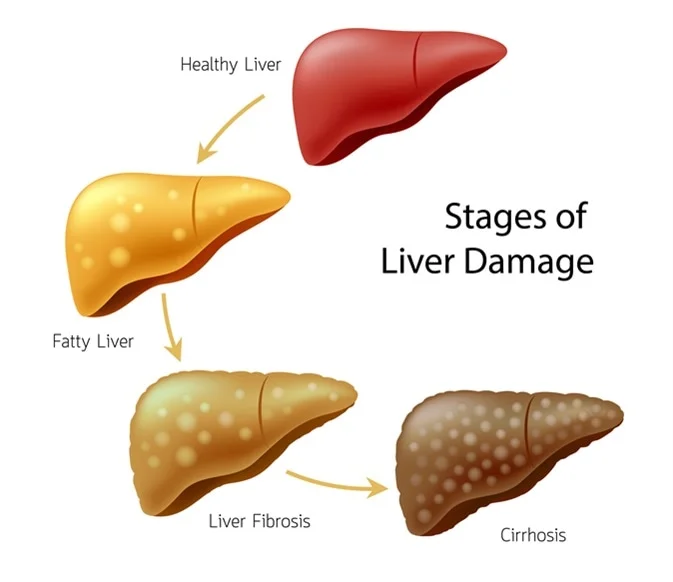
  • Most liver diseases begin silently, showing no symptoms until substantial damage has occurred. Early stages may include only mild enzyme elevations, while later stages can include fibrosis, cirrhosis, liver failure, or cancer.

    Key Stages:

    • Steatosis (Fatty liver): Reversible fat accumulation
    • Hepatitis (Inflammation): Often viral or autoimmune
    • Fibrosis: Scar tissue begins forming
    • Cirrhosis: Extensive scarring and architectural distortion

    Hepatocellular carcinoma: Liver cells become cancerous
Common Signs and Symptoms

Understanding the symptoms can aid in early diagnosis and intervention:

    • Jaundice (yellowing of eyes and skin)
    • Fatigue and weakness
    • Abdominal discomfort or swelling
    • Loss of appetite
    • Dark-colored urine
    • Pale stools
    • Fluid retention (swelling in legs, ascites)
    • Unexplained weight loss
    • Mental confusion (encephalopathy)

Diagnostic Methods

CentralGastro is equipped with modern diagnostic technology tailored to liver evaluation:

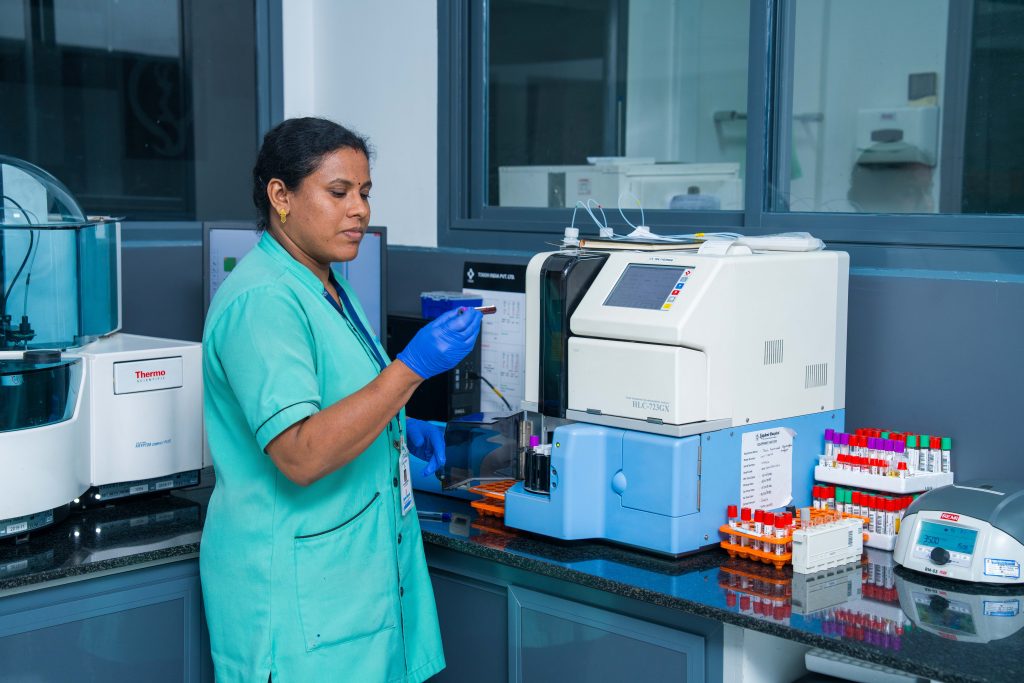
  • Liver Function Tests (LFTs): Measure ALT, AST, bilirubin, albumin
  • FibroScan (Elastography): Non-invasive test to assess liver stiffness
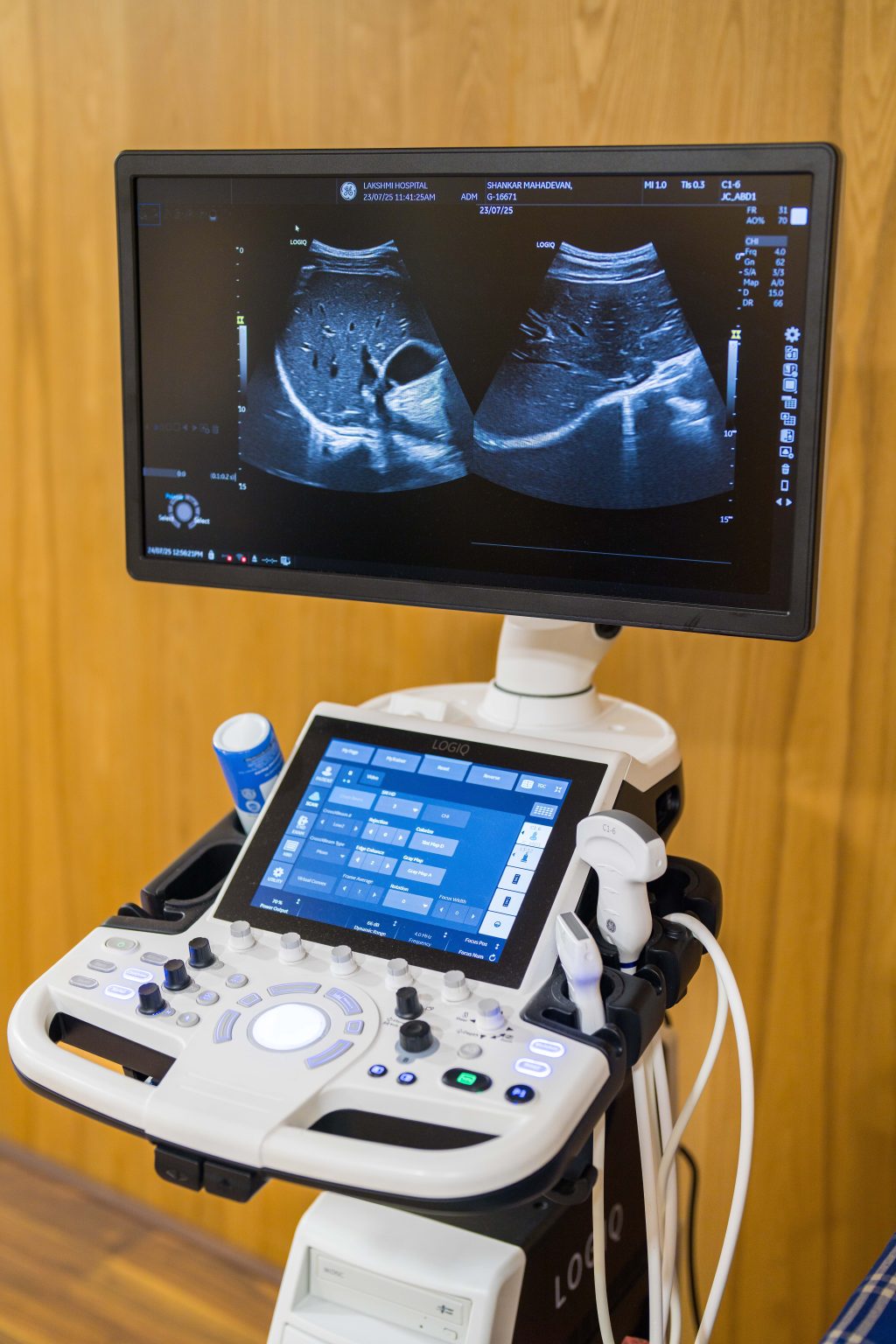
  • Ultrasound: First-line imaging to check liver size, fatty infiltration, lesions
  • CT/MRI Scan: For detailed imaging, especially in cancer detection
  • Liver Biopsy: For definitive diagnosis of fibrosis, autoimmune disease, and unexplained liver dysfunction

Viral Markers & Antibody Panels: For hepatitis B, C, autoimmune hepatitis

🌟 Treatment Options

Every liver condition is unique. At CentralGastro, our hepatology care is patient-centered, evidence-based, and includes:

Weight loss for fatty liver Low-sugar, low-fat, Mediterranean-style diet Exercise: 30–45 minutes, 5 days a week Avoiding alcohol completely in chronic liver disease

Antivirals (Tenofovir, Entecavir for HBV; Sofosbuvir combos for HCV) Steroids and immunosuppressants for autoimmune hepatitis Diuretics, lactulose, antibiotics for cirrhosis complications Iron chelators, copper chelators for genetic/metabolic liver disease

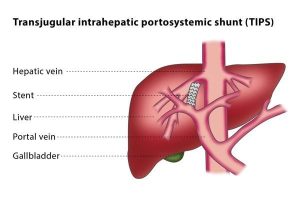
TIPSS procedure for portal hypertension,  Liver biopsy (USG/CT guided) Drainage of liver abscess TACE, RFA, or microwave ablation for liver tumors

  In end-stage liver disease or advanced cancer not amenable to other treatments, liver transplant is considered. Our team coordinates closely with transplant centers for evaluation and readiness.

TIPSS procedure

FibroScan Explained

What is FibroScan? FibroScan is a painless, quick, and non-invasive test that uses vibration-controlled transient elastography to measure liver stiffness and detect fibrosis or cirrhosis.

What to Expect:

  • You lie down and expose your right upper abdomen
  • A probe sends low-frequency vibrations into the liver
  • The device measures the velocity of the waves to determine stiffness
  • No needles, no sedation, no recovery time needed

🛌 Living with Chronic Liver Disease

  • Long-term liver disease requires consistent medical care, lifestyle changes, and regular monitoring. Patients should:

    • Adhere to prescribed medication regimens
    • Avoid alcohol and liver-toxic substances
    • Regular follow up and monitoring at clinic

    • Be vaccinated against hepatitis A & B
    • Maintain a liver-friendly diet
    • Join support groups or counseling if dealing with chronic or advanced disease
image 1
Experience expert gastrointestinal care in a comfortable, patient-friendly environment.
Walk in or book your appointment to consult with our specialists and take the first step toward better digestive health.
BOOk AN APPOINTMENT

Book an appointment for an in-clinic consultation

    P.FORM

    //
    Our customer support team is here to answer your questions. Ask us anything!
    👋 Hi, how can I help?