

Understanding
Digestive Cancers
Digestive cancers, also known as gastrointestinal (GI) cancers, affect the organs of the digestive system including the esophagus, stomach, colon, rectum, pancreas, liver, and small intestine. These cancers can develop silently and progress before symptoms appear, making early detection through screening and surveillance absolutely vital.
At CentralGastro, we focus not only on advanced diagnostics and treatment but also on prevention and early intervention. Our team, led by Dr. Johny Cyriac, uses minimally invasive endoscopic procedures, robotic precision tools, and a multidisciplinary approach to give each patient the best possible outcome with personalized care.
Common Digestive Cancers Treated at CentralGastro
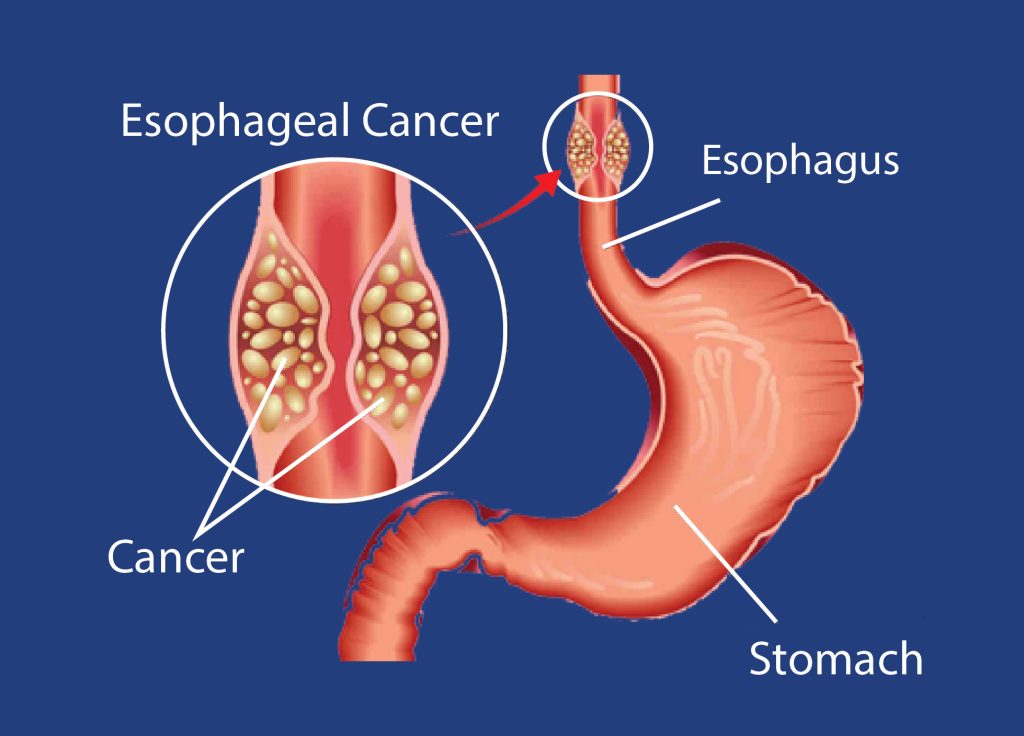
1. Esophageal Cancer
A cancer that begins in the lining of the esophagus.
- Symptoms: Difficulty swallowing, chest pain, weight loss, chronic cough, hoarseness
- Risk Factors: GERD, Barrett’s esophagus, tobacco and alcohol use, obesity
- Diagnosis: Endoscopy with biopsy,X-ray, CT/PET scan, endoscopic ultrasound (EUS)
- Treatment: Esophagectomy, chemoradiotherapy, endoscopic mucosal resection (EMR) for early lesions, stent placement for palliation
2. Gastric (Stomach) Cancer
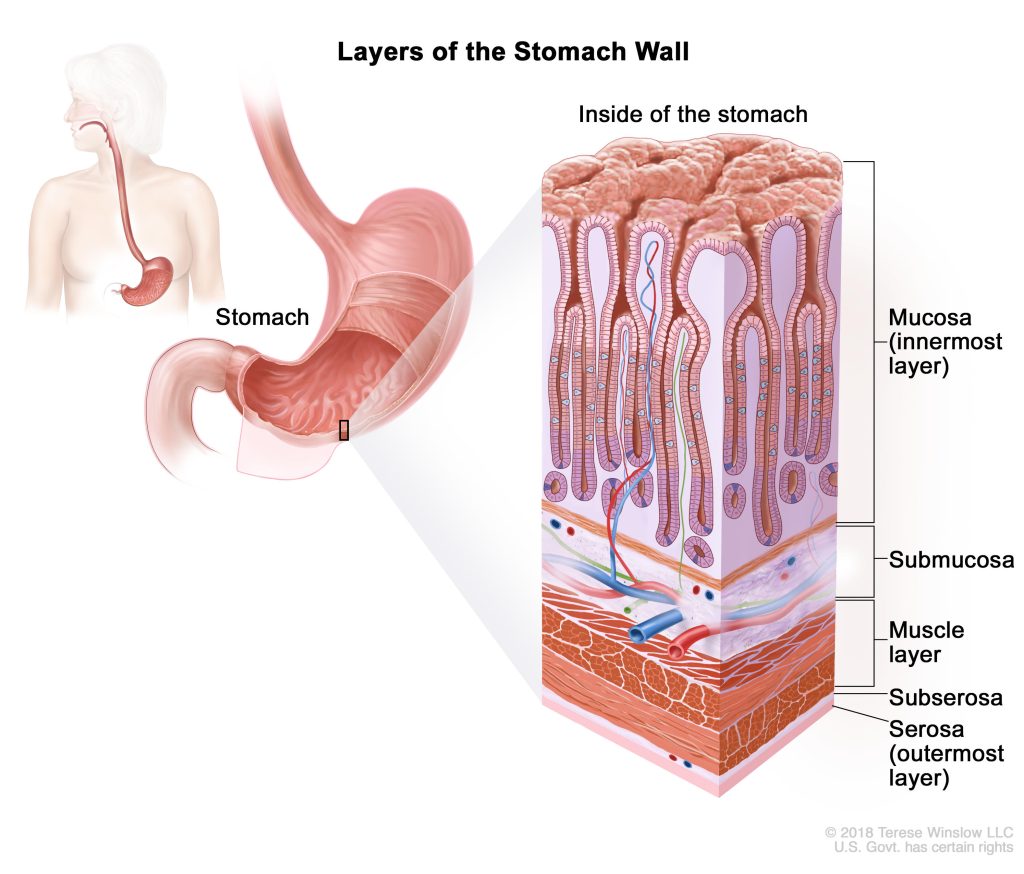
This cancer arises from the lining of the stomach and is often associated with chronic gastritis or H. pylori infection.
- Symptoms: Persistent indigestion, feeling full quickly, stomach pain, nausea, vomiting, weight loss, anemia
- Risk Factors: H. pylori infection ,diet high in salted and preserved foods , smoking, family history, atrophic gastritis
- Diagnosis: Upper GI endoscopy with biopsy, CT scan, EUS, blood markers
- Treatment: Gastrectomy (partial or total), chemotherapy, radiation, targeted therapy (Her2+ tumors), EMR/ESD for early cancers
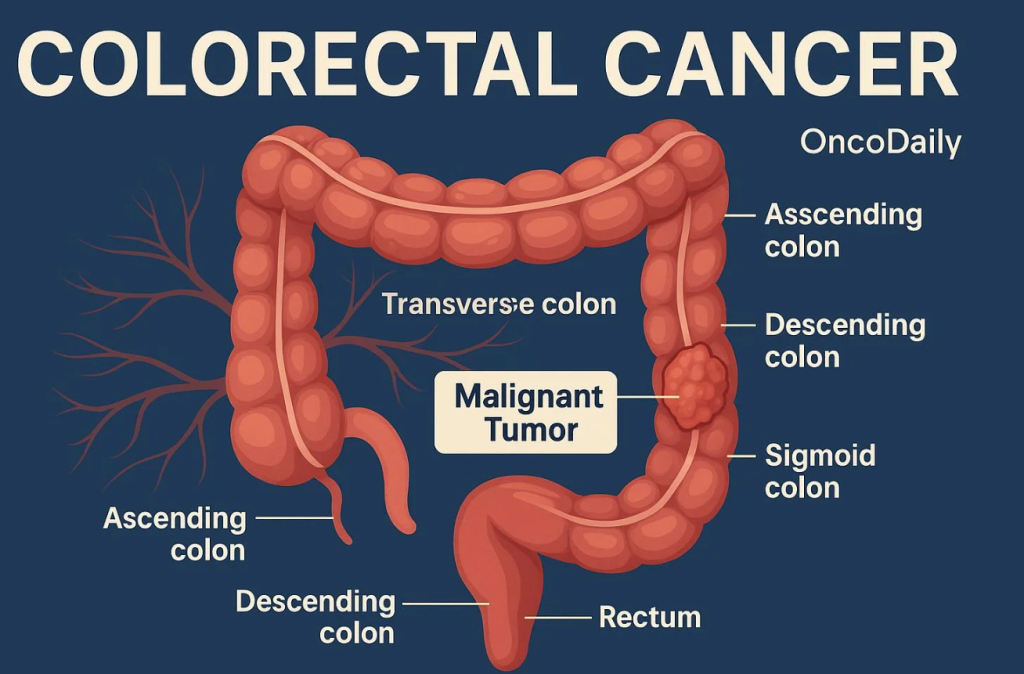
One of the most preventable and treatable cancers if detected early. It typically develops from polyps in the colon or rectum.
- Symptoms: Blood in stool, change in bowel habits, abdominal cramps, fatigue, weight loss
- Screening Guidelines: Colonoscopy every 10 years starting at age 45 (earlier for high-risk individuals) FIT (fecal immunochemical test) annually as a non-invasive option
- Diagnosis: Colonoscopy with biopsy, CT colonography, CEA tumor marker
- Treatment: Polypectomy for precancerous lesions, surgical resection, chemotherapy, radiation (especially for rectal cancer), stenting for obstruction, immunotherapy in select cases
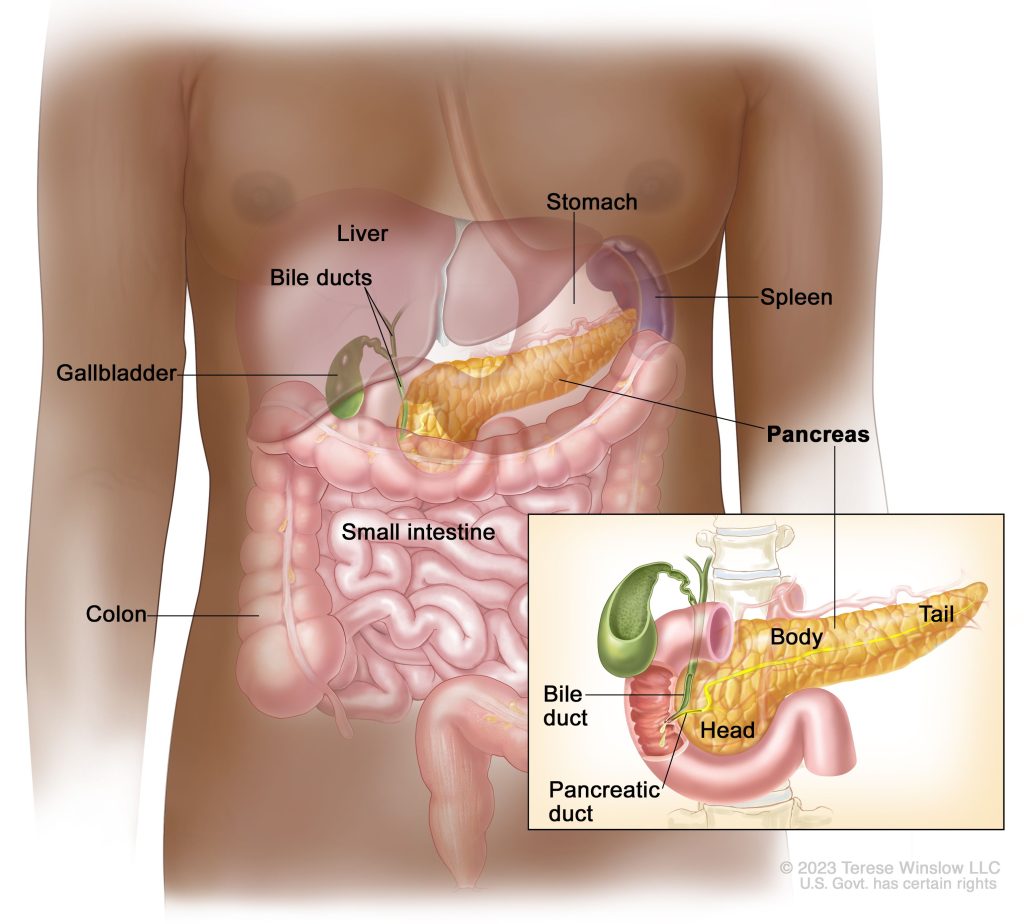
4. Pancreatic Cancer
Pancreatic cancer is aggressive and difficult to detect early. It often presents late with vague symptoms.
- Symptoms: Upper abdominal/back pain, jaundice, unexplained weight loss, nausea, new-onset diabetes
- Diagnosis: CT scan, EUS-guided biopsy, CA 19-9 blood test, MRI/MRCP, PET scan for staging
- Treatment: Whipple surgery (for localized tumors), chemotherapy (FOLFIRINOX, gemcitabine), palliative stenting, EUS-guided celiac plexus block for pain, immunotherapy in specific subtypes (e.g., MSI-high tumors)
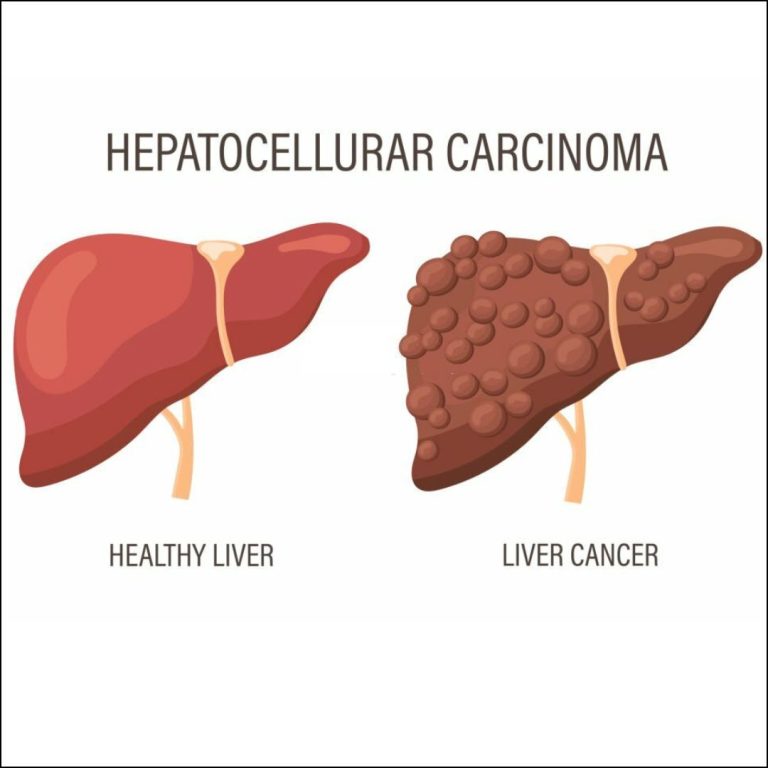
5. Liver Cancer (Hepatocellular Carcinoma – HCC)
Often seen in patients with cirrhosis or chronic hepatitis. Regular screening in high-risk individuals is crucial.
- Symptoms: Right upper abdominal pain, weight loss, jaundice, fatigue, liver enlargement
- Risk Factors: Chronic hepatitis B/C, cirrhosis, fatty liver disease, aflatoxin exposure
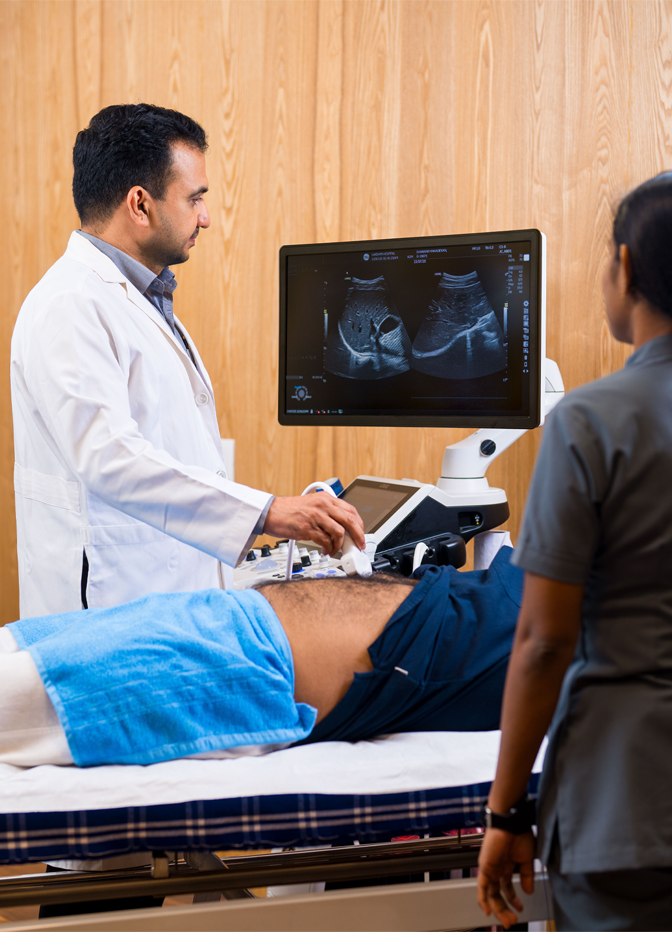
- Diagnosis: Imaging (contrast-enhanced CT/MRI),Ultrasound, AFP levels, liver biopsy in atypical cases
- Treatment: Liver resection, liver transplant (if criteria met), TACE, RFA, microwave ablation, systemic therapy (sorafenib, lenvatinib), immunotherapy
6. Small Intestinal Tumors
These are rare but can include adenocarcinomas, carcinoid tumors, lymphomas, and gastrointestinal stromal tumors (GIST).
- Symptoms: Abdominal pain, nausea, intermittent obstruction, anemia, GI bleeding
- Diagnosis: Capsule endoscopy, CT enterography, enteroscopy with biopsy, PET scan for metastasis
- Treatment: Surgical resection, targeted therapies for GIST (imatinib), chemotherapy/radiation depending on type and stage
⚠️ Warning Signs of Digestive Cancers
- Blood in stool or black/tarry stools
- Difficulty swallowing (dysphagia)
- Persistent indigestion or heartburn
- Unexplained weight loss
- Abdominal or back pain
- Change in bowel habits (diarrhea, constipation)
- Jaundice or pale stools
Screening & Early
Detection Guidelines
- Colorectal Cancer: Colonoscopy starting at age 45; earlier if family history or polyps
- Esophageal Cancer: Endoscopy in patients with Barrett’s esophagus or chronic GERD
- Gastric Cancer: Endoscopy in high-risk individuals (e.g., H. pylori, family history)
- Liver Cancer: Ultrasound + AFP every 6 months in cirrhotics or chronic hepatitis patients
Treatment Options at CentralGastro
We provide comprehensive cancer care using a blend of advanced endoscopic and traditional methods: Whether you need a routine colonoscopy, an advanced liver treatment, or expert guidance for a complex gastrointestinal disorder, our team is here to support you at every step of your healthcare journey.
🎥 Featured Resource: Colonoscopy for Early Cancer Detection
Knowledge Base for Digestive Cancer
- September 17, 2025
- 4 MINS READ
Why Choose Central Gastro: Advanced Care for Complex Digestive Conditions
Read More- September 17, 2025
- 2 MINS READ