Understanding Biliary Conditions
The biliary system plays a key role in digestion and detoxification. It consists of the gallbladder and a complex network of bile ducts that transport bile from the liver to the small intestine. Bile is essential for breaking down fats and removing waste products like bilirubin and cholesterol from the body.
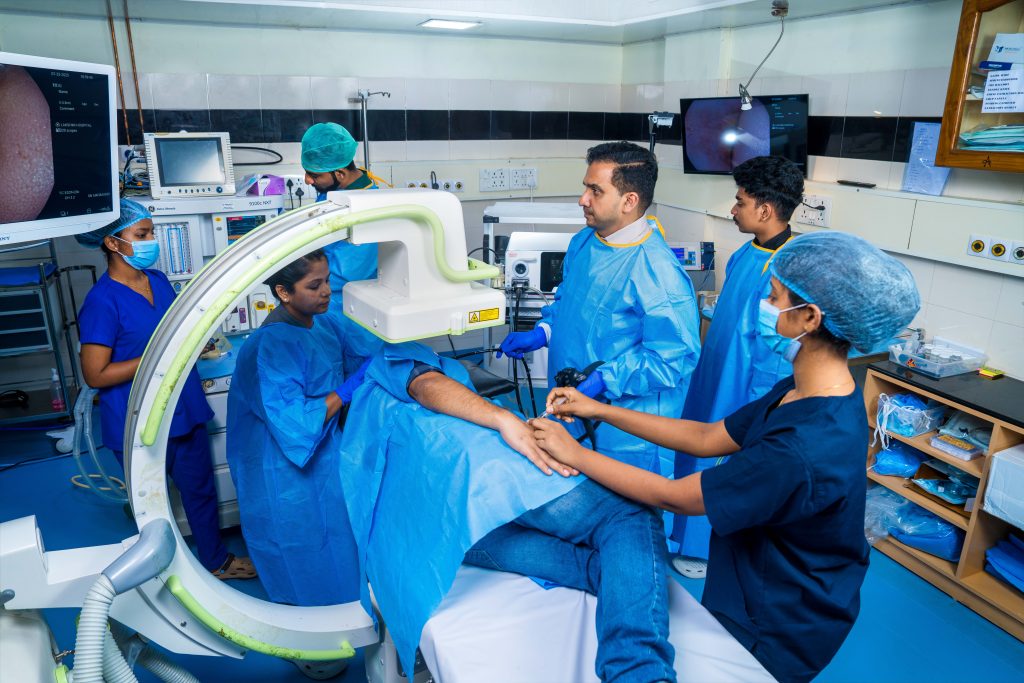
When any part of this system becomes blocked or inflamed, it can lead to jaundice pain, infections, and even life-threatening complications. At CentralGastro, we offer advanced diagnostic imaging, minimally invasive interventions like ERCP and SpyGlass, and surgical treatments to manage the full spectrum of biliary disorders with precision and care.
Common GI Conditions Treated at CentralGastro
1. Gallstones (Cholelithiasis)
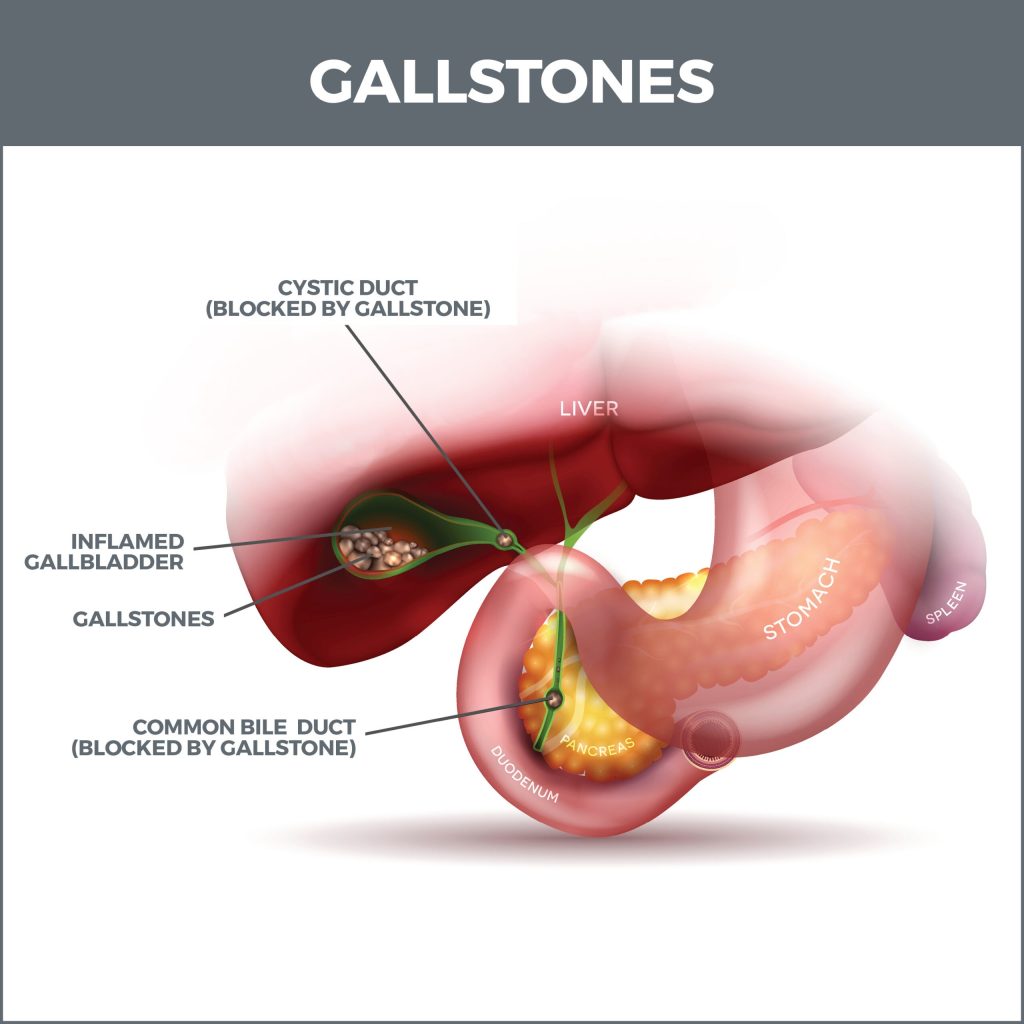
Gallstones are hardened deposits that form in the gallbladder, often composed of cholesterol or bilirubin. They can be silent or cause significant symptoms when they block bile flow.
- Symptoms: Right upper abdominal pain (especially after meals), nausea, vomiting, bloating, shoulder pain, jaundice (if bile duct is blocked)
- Risk Factors: Obesity, female gender, pregnancy, rapid weight loss, diabetes, age >40
- Diagnosis: Abdominal ultrasound, CT scan, MRCP (magnetic resonance cholangiopancreatography)
- Treatment: Asymptomatic stones: observation Symptomatic stones: laparoscopic cholecystectomy (gallbladder removal) ERCP if stones migrate into bile duct (choledocholithiasis)
2. Bile Duct Strictures
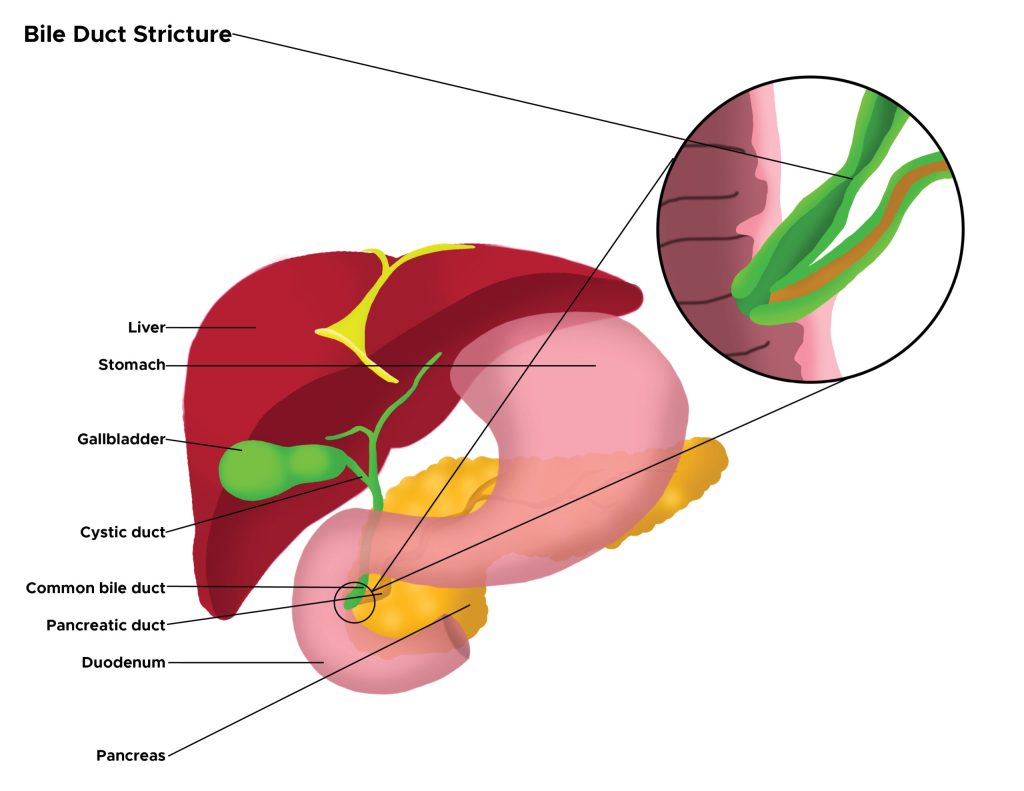
Strictures are abnormal narrowings in the bile duct, often due to injury (e.g., post-surgical), inflammation, or tumors.
- Symptoms: Jaundice, itching, dark urine, pale stools, abdominal pain
- Causes: Surgical injury, chronic pancreatitis, pancreatic cancer, primary sclerosing cholangitis (PSC), cholangiocarcinoma
- Diagnosis: MRCP, ERCP with cholangiography, SpyGlass for direct visualization
- Treatment: Balloon dilatation, biliary stent placement, surgery in refractory cases or malignancy
3. Cholangitis
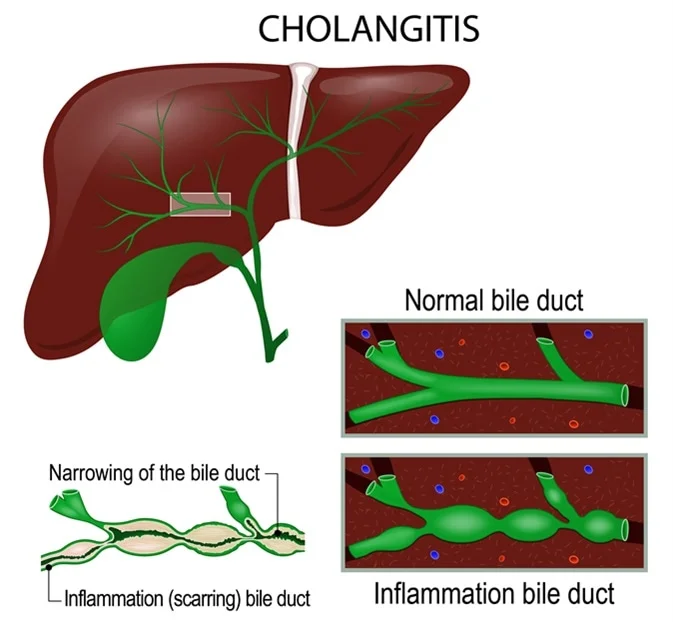
A serious infection of the bile ducts usually caused by obstruction and bacterial infection. It requires urgent medical care.
- Symptoms : Fever, jaundice, and right upper quadrant pain. Severe cases may also present with confusion and low blood pressure.
- Causes: Gallstones, bile duct tumors, strictures
- Diagnosis: Blood tests (elevated WBC, bilirubin), imaging (ultrasound, MRCP), ERCP
- Treatment: Hospitalization, IV antibiotics, ERCP for decompression and drainage, stent placement if necessary
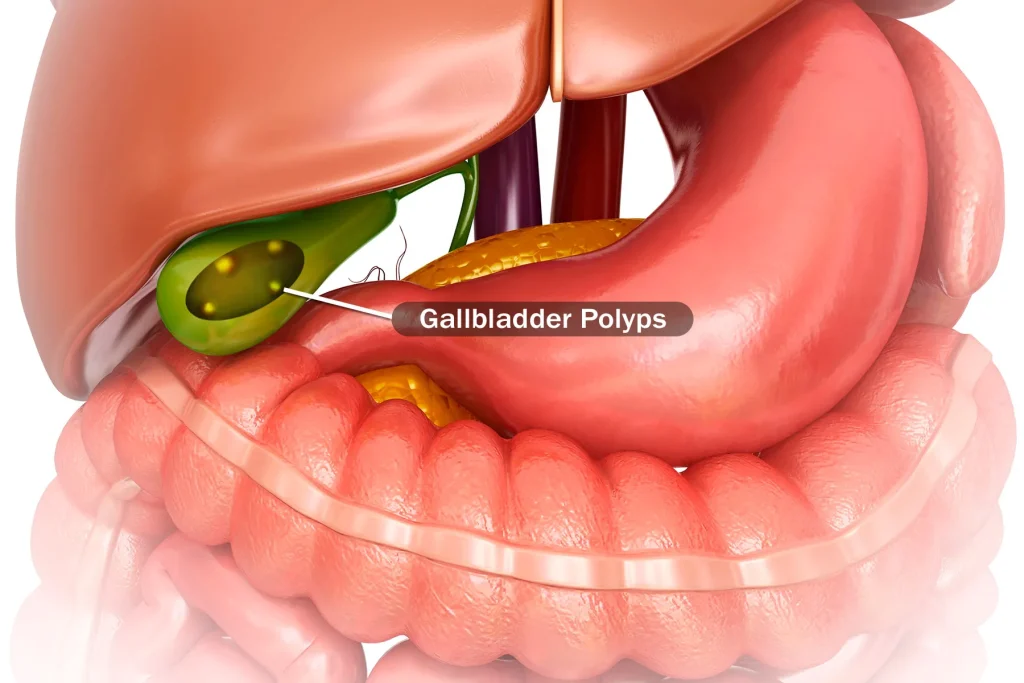
4. Gallbladder Polyps
Small growths protruding from the lining of the gallbladder. Many are benign, but some may pose a risk of cancer.
- Symptoms: Usually asymptomatic; occasionally discomfort or nausea
- Risk Factors: Age >50, polyps >1 cm, presence of gallstones
- Diagnosis: Ultrasound (first-line), CT/MRI for large or suspicious polyps
- Treatment: Polyps <6mm: usually monitored with periodic ultrasounds Polyps >10mm or with suspicious features: laparoscopic cholecystectomy
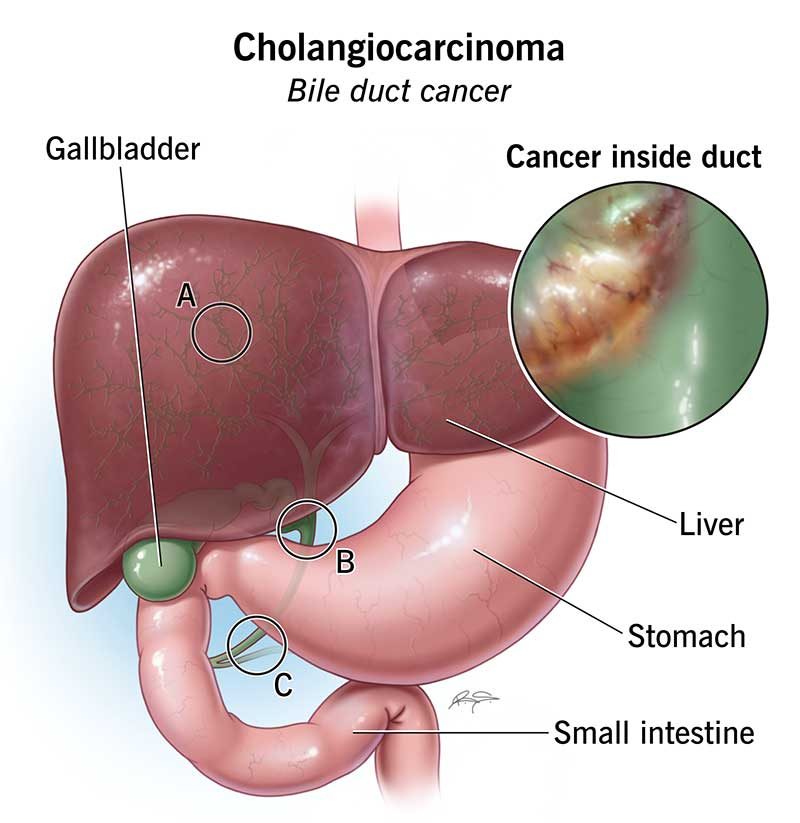
5. Cholangiocarcinoma (Bile Duct Cancer)
A rare but aggressive cancer of the bile ducts, often diagnosed at an advanced stage.
- Symptoms: Jaundice, unexplained weight loss, abdominal pain, dark urine, light-colored stools, itching
- Risk Factors: PSC, liver fluke infection, bile duct cysts, chronic inflammation
- Diagnosis: MRCP, CT scan, EUS-guided biopsy, Spyglass Cholangioscopy, ERCP with brush cytology, tumor markers (CA 19-9)
- Treatment: Surgical resection (if operable), Biliary drainage with stents for palliation, Chemotherapy or radiation therapy Liver transplant in very select cases
6. Primary Sclerosing Cholangitis (PSC)
A chronic, progressive liver disease characterized by inflammation and scarring of the bile ducts, eventually leading to cirrhosis and liver failure.
- Symptoms: Fatigue, itching, jaundice, right upper quadrant pain
- Association: Often linked with inflammatory bowel disease (especially ulcerative colitis)
- Diagnosis: MRCP (shows characteristic "beading"), liver biopsy, autoimmune and liver function tests
- Treatment: No definitive cure, but ursodeoxycholic acid may improve bile flow, ERCP for managing strictures Monitoring for cholangiocarcinoma Liver transplant in end-stage disease
🔄 How Bile Flows and What Disrupts It
-
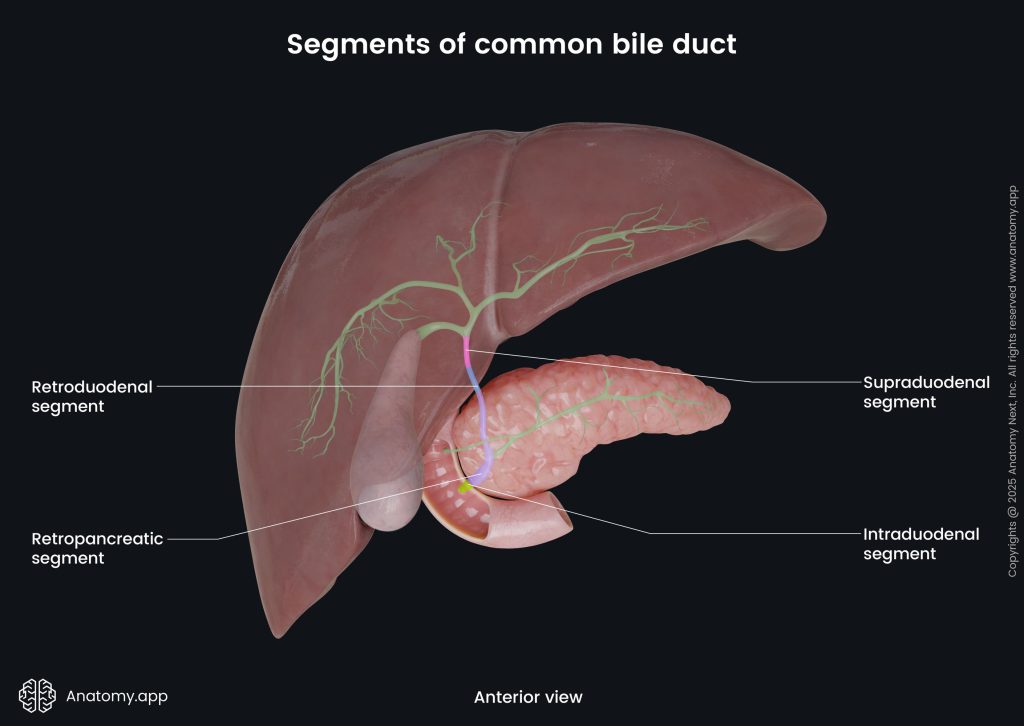
Bile is produced in the liver and stored in the gallbladder. Upon eating, it is released into the small intestine to help digest fats. Any blockages, such as from gallstones or strictures, can disrupt this flow, causing pressure buildup, pain, and infection.
Key Disruption Points:
- Gallbladder (stones, polyps)
- Common bile duct (strictures, tumors, sludge)
- Hepatic ducts (inflammation, PSC)
Understanding this flow helps patients connect symptoms like dark urine or pale stools to potential biliary causes.
Symptoms to Watch For
-
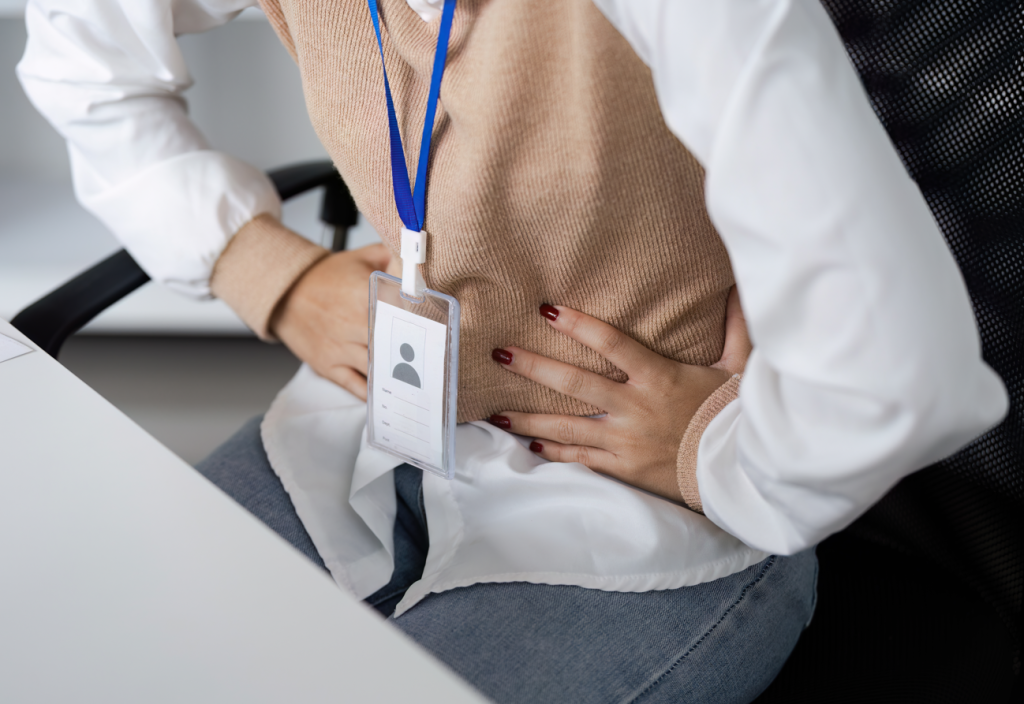
Biliary conditions often show classic signs. Seek immediate medical attention if you experience:
- Right upper abdominal pain (especially after fatty meals)
- Jaundice (yellow skin/eyes)
- Dark-colored urine
- Light or clay-colored stools
- Fever with chills (suggests infection)
- Persistent itching
- Loss of appetite or unexplained weight loss
🌟 Treatment Options
Our approach at CentralGastro is comprehensive and minimally invasive whenever possible.

1. Endoscopic Therapies
- ERCP with stone removal or stenting
- Balloon dilatation of strictures
- SpyGlass for visual-guided biopsies
2. Surgical Treatments
- Laparoscopic cholecystectomy for gallstones or large polyps
- Biliary reconstruction surgeries (for complex strictures)
- Tumor resection (for cholangiocarcinoma when operable)
3. Medical Management
- Antibiotics for cholangitis
- Ursodeoxycholic acid for PSC
- Supportive care including pain relief and nutrition
4. Liver Transplantation
- Considered in end-stage PSC or unresectable cholangiocarcinoma in select cases
Gallstone Formation Explained
Living with Biliary Conditions
-
Many biliary issues are manageable with lifestyle adjustments and regular monitoring. Here’s what we recommend:
- Eat a balanced, low-fat diet
- Maintain a healthy weight
- Stay hydrated
- Report any jaundice or dark urine promptly
- Get periodic imaging if you have a history of gallstones or polyps
- Follow-up regularly for PSC or bile duct cancer monitoring