Central Gastro

Get a Trusted Second Opinion from Dr. Johny Cyriac  .   Learn More

Advanced Endoscopic Techniques

  • Home
  • Advanced Endoscopic Techniques

Redefining Digestive Care Through Endoscopy

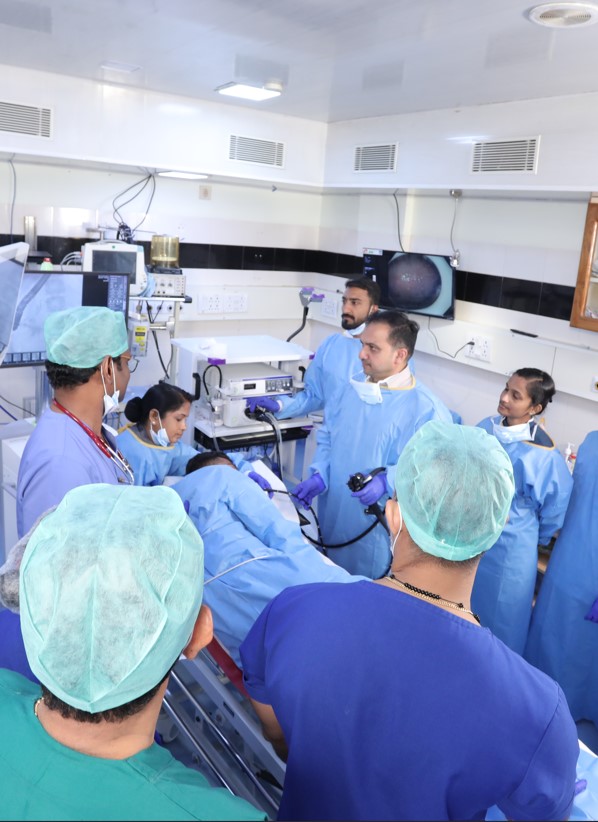
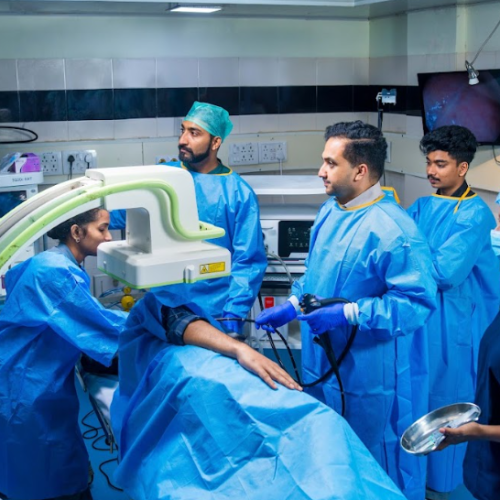
At CentralGastro, advanced endoscopic procedures are at the core of our minimally invasive approach to diagnosing, treating, and managing complex gastrointestinal, biliary, pancreatic, and motility disorders. Unlike traditional open surgery, these techniques provide quicker recovery, less pain, and reduced complication risks while delivering high diagnostic and therapeutic precision.

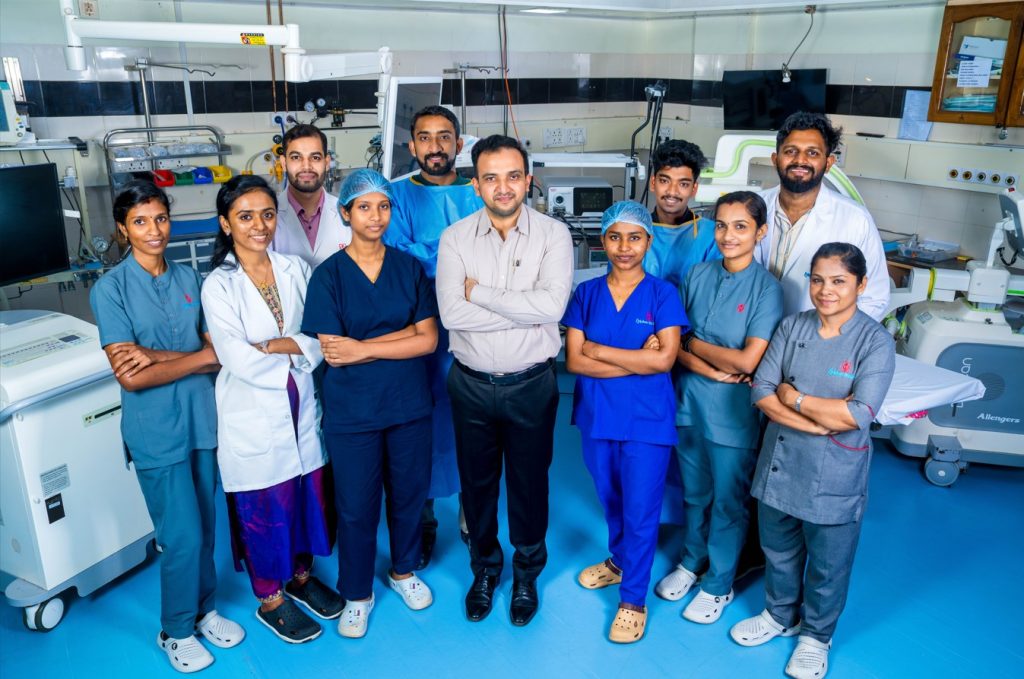
Led by Dr. Johny Cyriac, a master in interventional endoscopy, CentralGastro offers one of India’s most comprehensive portfolios of third-space, therapeutic, and a comprehensive portfolio endoscopy services.

Key Advanced
Endoscopic Procedures

EUS combines endoscopy and ultrasound to visualize organs and structures within the digestive tract and adjacent areas such as the pancreas, bile ducts, and lymph nodes.

Uses

  • Evaluating pancreatic tumors and cysts
  • Staging gastrointestinal cancers
  • Assessing submucosal lesions and enlarged lymph nodes
  • Performing fine-needle aspiration (FNA) or biopsy

Benefits:

  • Minimally invasive
  • Highly accurate for staging cancers
  • Avoids unnecessary surgeries

ERCP is used to diagnose and treat diseases of the bile ducts and pancreas by combining endoscopy and fluoroscopy.

Uses:

  • Removal of bile duct stones
  • Biliary and pancreatic duct stenting
  • Biopsy of strictures
  • Management of chronic pancreatitis
  • Tools: Balloon dilation, sphincterotomy, stone extraction baskets, plastic or metal stents
  • When Needed: When imaging shows obstruction, infection, or suspected malignancy in the bile or pancreatic ducts

Indications:

  • Barrett’s esophagus with dysplasia
  • For precancerous and growths polyps (future cancers)
  • Flat polyps (high potential to develop into cancers )

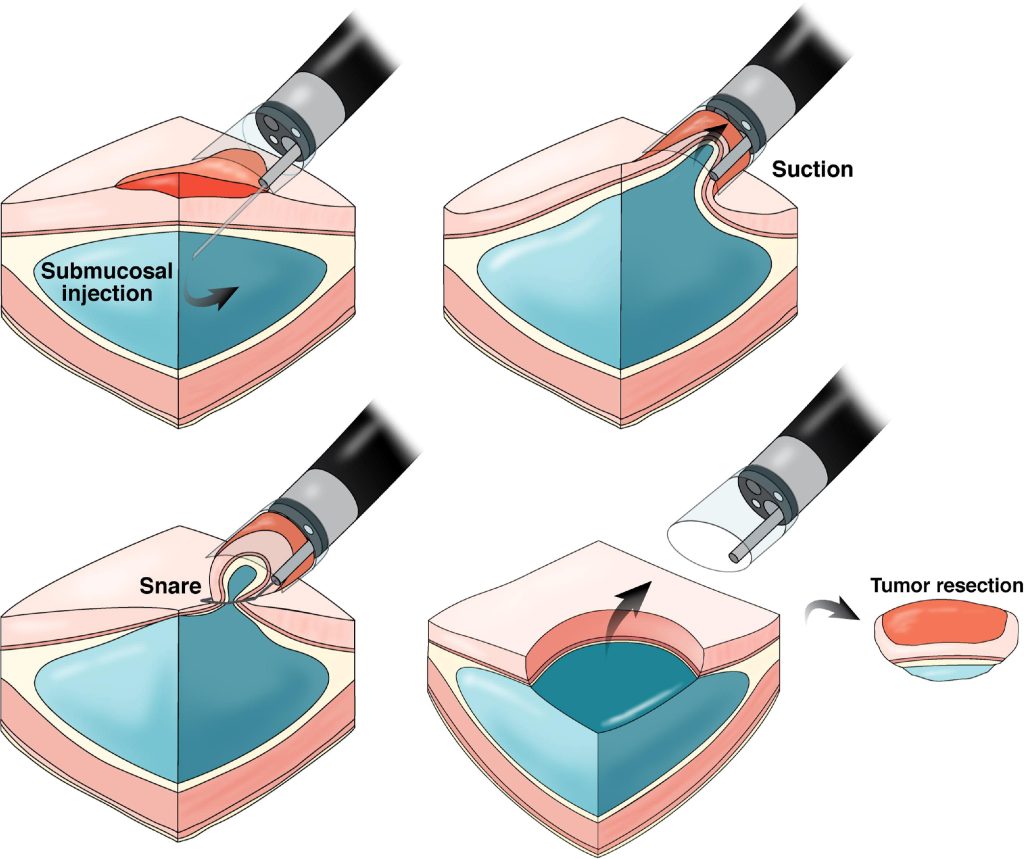
Process: A solution is injected to lift the lesion, which is then resected with a snare

Advantages:

  • Organ-preserving
  • Faster recovery
  • Often done as a day-care procedure

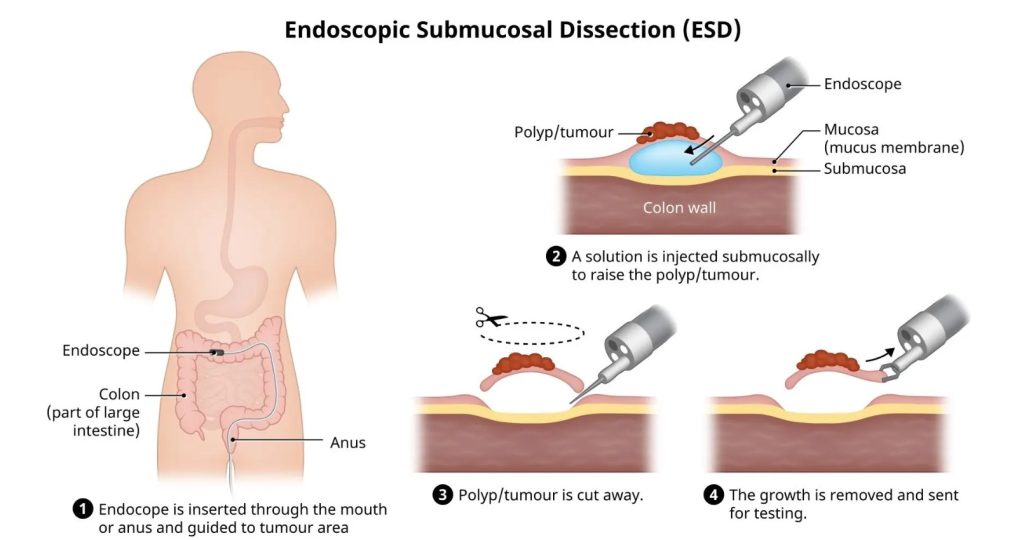
An advanced technique for en bloc removal of larger, deeper, or more complex gastrointestinal lesions that cannot be safely removed with EMR.

Common Uses:

  • Early-stage gastric and rectal cancers
  • Colonic polyps with high-grade dysplasia
  • Large flat polyps (precancerous lesions)

Technique: Precision cutting of the submucosal layer using specialized knives

Benefits:

  • Higher curative resection rates
  • Less recurrence compared to piecemeal EMR
  • Avoids major surgery, complete removal, no pain.

  • No incision, no scar

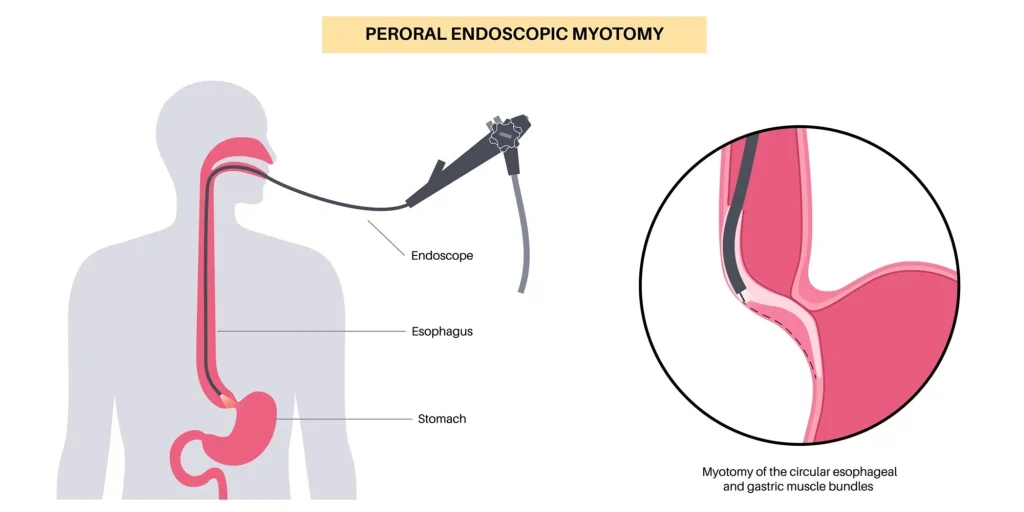
POEM is a revolutionary, incisionless treatment for achalasia cardia and other esophageal motility disorders.

Procedure Highlights:

  • Involves creating a submucosal tunnel within the esophagus to cut the inner circular muscle fibers
  • No external incision
  • No postoperative pain and shorter hospital stay

Used For:

  • Achalasia
  • Spastic esophageal disorders

Outcomes:

  • Rapid symptom relief
  • Excellent long-term success rates

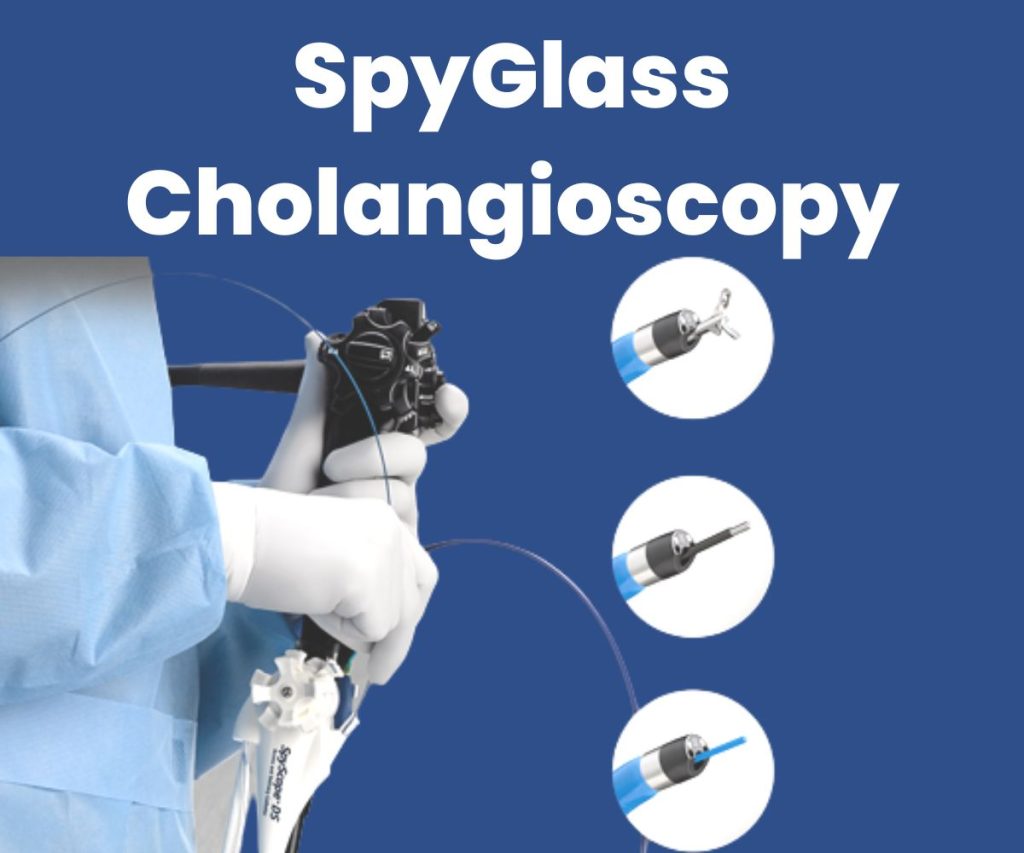
SpyGlass is a high-resolution endoscopic imaging system used for direct visualization inside the bile ducts.

Applications:

  • Direct biopsy of indeterminate strictures
  • Laser lithotripsy for large or impacted bile duct stones
  • Evaluating unexplained biliary strictures or dilations

Advantages:

  • Real-time assessment of suspicious areas
  • Minimizes the need for repeat procedures
  • Precise targeting for biopsies

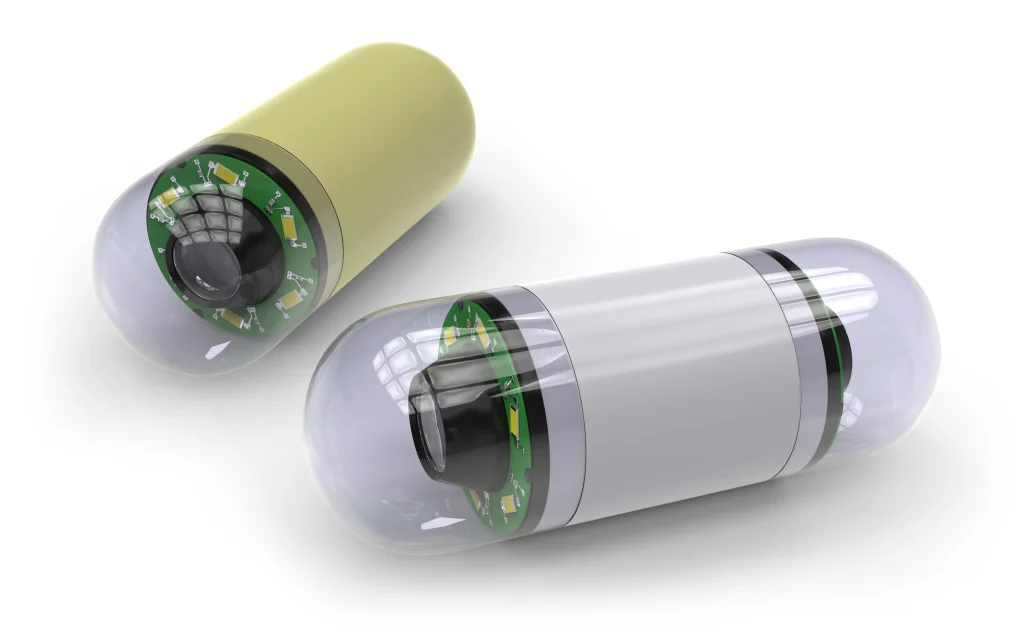
A swallowable, camera-equipped capsule that captures images throughout the small intestine, providing critical data in hard-to-reach regions.

Ideal For:

  • Unexplained GI bleeding
  • Suspected Crohn’s disease
  • Small bowel tumors or polyps

Benefits:

  • Non-invasive
  • No sedation required
  • Excellent for areas unreachable by traditional scopes

🚀 When Is Advanced Endoscopy Required?

  • These techniques are especially useful when:

    • Imaging shows abnormalities that need deeper evaluation
    • There’s suspicion of early-stage cancer
    • Traditional biopsies have been inconclusive
    • Minimally invasive treatments are preferred over surgery
    • Complex lesions, ductal blockages, or fluid collections are present
Screenshot 2025-09-03 143250

Advanced Endoscopy vs. Surgery

Feature Advanced Endoscopy Surgery
Invasiveness Minimally invasive Invasive with incisions
Recovery Time 1–2 days 7–14 days or more
Hospital Stay Often daycare Multi-day admission
Risk Profile Lower Higher risk of infection/bleeding
Use Case Early cancers, strictures, stones, motility disorders Deep organ involvement, perforation risk, cancer spread

⌛ Recovery Expectations

  • Minimal to no incisions
  • No or minimal pain
  • Quick return to daily activities
  • Short hospital stay or same-day discharge
  • Clear follow-up guidelines for diet, medication, and monitoring

📈 Risks and Benefits Explained

  • Benefits:

    • Quicker diagnosis and treatment
    • Reduced surgical complications
    • Better outcomes in early cancers
    • Precision-targeted therapy
    • Cost-effective in the long term

    Risks:

    • Bleeding or perforation (rare, <1%)
    • Infection
    • Reaction to anesthesia or sedatives
    • Recurrence in certain lesions (monitored with surveillance)

    Our team is trained to handle complications promptly, with 24/7 access to interventional support.

sto

🤖 Role of Robotic and AI-Assisted Endoscopy

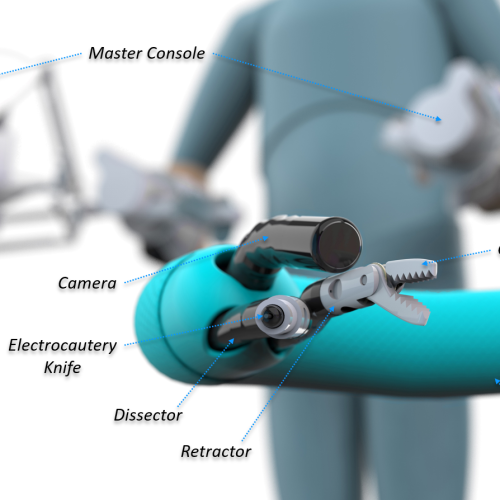
  • At CentralGastro, we integrate AI and robotics to:

    • Detect polyps and cancerous changes in real-time
    • Assist with navigation and visualization
    • Improve diagnostic accuracy
    • Reduce procedure time and patient discomfort

    AI-powered endoscopy is especially impactful in:

    • Colonoscopy polyp detection
    • Barrett’s esophagus dysplasia identification
    • Capsule endoscopy image analysis
endo

🎥 Featured Patient Video: Understanding POEM for Achalasia

Follow-ups after an Endoscopic Procedure

  • Whether for diagnosis or treatment, recovery is often swift:

    • Follow dietary instructions carefully
    • Attend follow-up visits for surveillance or biopsy results
    • Monitor for signs like fever, severe pain, or persistent bleeding
    • Most patients resume work within 1–3 days

    Our care team remains available to support every step of your post-procedure recovery.

image 1
Experience expert gastrointestinal care in a comfortable, patient-friendly environment.
Walk in or book your appointment to consult with our specialists and take the first step toward better digestive health.
BOOK AN APPOINTMENT

Book an appointment for an in-clinic consultation

    P.FORM

    //
    Our customer support team is here to answer your questions. Ask us anything!
    👋 Hi, how can I help?